Introduction:

In internal combustion engines, rocker arms are a crucial part of the valvetrain assembly. They help convert camshaft movement into precise valve action. This detailed investigation is about the engine rocker arm. It discusses different types, how they work, and their importance for engine improvement.

What is a Rocker Arm?

Engine Rocker arms are crucial parts of internal combustion engines. They have a key purpose within the valvetrain system, aiming to transmit motion from the camshaft while accurately managing when intake and exhaust valves open or close by turning this into linear movement at these points of contact with each valve’s stem.

Usually, rocker arms have a lever-type design that rotates on a stable point called the rocker arm shaft. One end of the rocker’s arm interfaces with the camshaft, where the cam lobe engages directly to impart motion. The opposite end of the rocker arm interfaces with the valve stem, transferring the camshaft’s motion to actuate the valve.

The rocker’s arms have been engineered to endure mechanical strains and repeated cycles, requiring a sturdy construction using materials like steel alloys. Their design is vital in maintaining engine performance by managing valve timing and lift. Innovations like roller rocker arms reduce friction and degradation, improving efficiency and durability in demanding engine conditions.

Types of Rocker Arms

The rocker arm assembly serves as a crucial connection in the valvetrain mechanism. Composed of integral elements, this assembly converts the rotational motion of the camshaft into vertical displacement at the valve stems, ultimately governing the vital intake and exhaust processes necessary for engine functionality. The different types of it are:

Traditional Rocker Arm:

The conventional rocker arm represents a fundamental design, comprising a lever-like structure pivoting on a fixed point, transferring camshaft motion to the valve stem. This configuration typically integrates a fulcrum point where the camshaft lobe engages directly, exerting upward force on one end while transmitting downward motion to the valve stem at the other. Traditional rocker arms are commonly crafted from durable steel alloys, balancing strength with weight to endure sustained operational stresses.

Roller Rockers:

Roller rocker arms epitomise a refined evolution in valvetrain engineering, engineered to mitigate friction and enhance efficiency. A defining feature of roller rockers is the integration of roller bearings or tips, substituting conventional flat surfaces with rolling elements that reduce sliding friction during camshaft engagement. This design innovation not only minimises wear on critical surfaces but also optimises valvetrain dynamics by diminishing frictional losses inherent in high-speed engine applications.

Components of Rocker Arm Assembly

The rocker arm is a crucial part of the valvetrain system of an internal combustion engine. Its main function consists of transforming the camshaft’s rotational movement into vertical motion at the valve stem, acting like a lever. Structurally, this component usually comprises an arm-shaped design with a fulcrum positioned at one end and a contact point at the opposite end for connecting with the valve stem. The composition is constructed to withstand substantial mechanical pressures and is commonly fashioned from steel alloys.

Rocker arm shaft

The rocker arm shaft works like the point of support for a lever. It is firmly placed in the cylinder head, providing a flexible axis for the rocker arm to swing. Typically crafted from tempered steel, the rocker arm shaft can endure prolonged motion and operational pressures. This mechanism may feature bearings or bushings to minimise friction and guarantee the smooth movement of the rocker’s arm.

Rocker arm fulcrum

The point of rotation for the rocker arm is the stable fulcrum, typically incorporated within either the cylinder head or rocker arm unit. This pivotal element enables disciplined movement of the rocker arm and facilitates precise activation of the valve.

Pushrod (in pushrod engines):

For engines having pushrod valvetrains, a pushrod is employed to carry motion from the camshaft towards the rocker arm. The pushrod serves as an intermediate link, transferring the rotational movement of the camshaft to rocker arm for the actuating valve. Pushrods are built to endure compression and tension forces, often fashioned from tough materials like steel.

Adjustment of Valve Clearance in Rocker Arm Assemblies

In several rocker arm assemblies, there exists a provision for setting and retaining the correct valve clearance or valve lash. This can consist of threaded parts or hydraulic lifters that compensate for wear and expansion due to heat, keeping the performance of valves steady while decreasing noise levels.

Rocker Arm Retainer:

The rocker arm retainer is a component that keeps the rocker arm attached to either the rocker arm shaft or assembly. This part stops any lateral motion of the rocker arm during its running and helps to maintain correct positioning with both the camshaft and valve stem. The retainers for rocker arms are made strong enough so they can handle hot conditions and heavy mechanical stress.

Functions of Rocker Arms

The rocker’s arms are important parts that control the valve operation of engines using internal combustion. They work to move the intake and exhaust valves at the same time as the camshaft, which manages when these valves open or close. It determines timing, length, and effectiveness in the burning process inside the engine’s cylinder. Knowing about the different roles and uses of rocker arms is basic for making an engine work efficiently and stay dependable.

Valve Actuation:

Rocker arms have a basic purpose: they help move the intake and exhaust valves with the camshaft. The camshaft turns, lifting and lowering these rocker arms that make the valves open or close. It is this exact timing of when things move in synchrony that controls how much air-fuel mixture is facilitated and also the amount of combustion exhaust/fumes that go out from the engine – doing so helps optimise its function.

Valve Timing and Duration:

Rocker arms, which help in deciding the timing and duration of a valve, are very important. They control how the valves open and close. This role is critical for making sure that an engine runs smoothly by allowing correct combustion cycle as well as power delivery.

Friction Reduction:

Some rocker arm designs include roller bearings or a roller tip. These components help to decrease friction between the rocker arm and the valve stem. This lessens the wear on parts and enhances the effectiveness of the valvetrain, particularly for engines that perform at high levels.

Rocker arms, help in the adjustment of valve clearance. For better engine operation, reduced noise from the valve train, and longer life of parts it’s important to set the gap between the rocker arm and valve stem correctly.

Conclusion:

To finish, the rocker arm assembly is very important for valve operation and engine performance. By making camshaft movement into exact valve action, rocker arms help with the best possible combustion process and also keep the engine reliable.

FAQ’s

  • What is the primary function of rocker arms in an engine?

The main purpose of rocker arms is to convert the rotating movement of the camshaft into up and down motion at valve stems. They are like middle parts that open and close intake as well as exhaust valves in coordination with the camshaft’s turning, managing when the valve operates and how long it stays open or closed.

  • How many types of rocker arms are commonly used in engines?

In engines, we see two primary types of rocker arms: the usual rocker arms and roller rocker arms. Common or traditional ones have a lever design that has one flat face connecting with a valve stem. The roller rocker arm includes rolling elements (rollers or bearings), designed to lessen friction and wear.

  • What are the differences between traditional rocker arms and roller rocker arms?

The common rocker arms are designed as levers with a flat surface that touches the valve stem directly. They usually get created from steel alloys and tend to be less expensive but can make more friction along with wear. On the other hand, roller rocker arms use rolling elements (like rollers or bearings) at the point where they touch the valve. This lowers friction and wear. Roller rocker arms are often used in high-performance engines for improved efficiency and longevity.

  • How do rocker arms contribute to the valve actuation process in an engine?

The rocker’s arms have a very important job in the valve actuation operation. They change the rotating motion from camshaft into up-and-down movement at valve stems. So, when the camshaft turns around, it lifts the rocker arms, which push on valve stems to open the intake and exhaust valves. This careful management of how valves move guarantees the best engine results and effectiveness.

Introduction:

Quality spares are a must if you are to maintain the performance and safety of your car. Getting compatible, genuine spares that will serve you for a reasonable time calls for due diligence at every step of the process.

In this entire guide, we look at the fine details involved in choosing the correct car spares, complete with practical tips on how to get you equipped for your decision. Right from understanding the importance of genuine parts to leading you through the avalanche of options available in the market, we are your street map to make prudent choices, adding to high performance and longevity to your vehicle.

What Are Auto Spare Parts?

An auto spare part is a replacement part. It is an individual component purposely designed for use in the process of replacing worn-out or malfunctioning parts in a vehicle. Autospares encompass a vast category of components, which include:

  • Motor Vehicles Engine Parts: Pistons, Spark Plugs, Filters, Belts, and Gaskets
  • Brakes: Pads, rotors, calipers, and lines
  • Suspension System: Shocks, Struts, Springs, Control Arms
  • Electric System: Batteries, Alternators, Starters, Spark Plugs
  • Car Parts: Bumpers, fenders, hoods
  • Internal Parts: seats, carpets, dashboards, and steering wheels

Importance Of Genuine Spare Parts

While there are numerous aftermarket parts available at tempting prices,  opting for genuine spare parts manufactured by your car’s original equipment manufacturer (OEM) offers several advantages:

Perfect compatibility

Original Equipment Manufacturer parts are designed and engineered for your car model; they should fit perfectly with the other car parts.

Better Performance

OEM parts are exactly fit and follow the specs of your vehicle, which ensures better performance.

Durability And Reliability

Since the materials that go into making OEM parts are of good quality, this will ensure the product’s endurance and reliability in meeting everyday demands.

Warranty Maintained

In most cases, genuine parts keep your manufacturer’s warranty in place, meaning that in case of a malfunction, you will be left with no repair expenses.

BenefitDescription
Perfect CompatibilityEnsures a perfect fit and seamless integration with existing components.
Optimal PerformanceMaintains optimal performance, fuel efficiency, and safety.
Durability and ReliabilityConstructed from high-quality materials for extended service life.
Maintains WarrantyUpholds your vehicle’s manufacturer warranty.

Factors To Consider When Buying Auto Spare Parts

Finding the right auto spare parts requires careful consideration of several crucial factors:

Compatibility

Most important, make sure that the part you are selecting was perfectly adapted to the make and manufacture year of your car. Find the accurate part number for the sure fit in the owner’s manual of your car, or consult a qualified mechanic.

Quality

Don’t compromise quality. For parts, go for high-grade materials that conform to the industry’s standards. Although genuine parts are of high quality, the alternative brands at high quality could be very dependable, too.

Price

Auto spare parts prices differ from brand to brand, quality, and functionality, so look more into the budget with greater preference given to quality over the lowest possible price to avoid possible safety concerns and future repairs caused by the premature failure of parts.

Spare Parts Warranty

A spare parts warranty means peace of mind. Search for parts with a warranty covering defects in materials or artistry. The length of the warranty will vary by brand and part type. Whether you choose original or aftermarket parts depends on your needs, budget, and the type of work that’s being done.

Comparison of Genuine vs. Aftermarket Spare Parts

FeatureGenuine Spare PartsAftermarket Spare Parts
CompatibilityGuaranteed perfect fitCompatibility verification required
QualitySuperior quality materials and constructionQuality varies depending on the brand
PerformanceMaintains optimal performance and safetyPerformance may vary
PriceGenerally more expensiveA Wider range of prices
WarrantyTypically covered by manufacturer’s warrantyWarranty coverage varies by brand

Ultimately, the decision between genuine and aftermarket parts depends on your specific needs, budget, and the type of repair being undertaken.

Conclusion:

Whenever one spends money on auto spare parts, it should be an informed investment. Considering all these with due priority to compatibility and quality, surely he or she could get advantages for an extended period with genuine parts, running a vehicle safely, performing well, and having a longer life. Remember, a few extra bucks spent on a high-quality part today can save you from costly repairs and potential safety hazards down the road.

FAQ’s

  • What are the benefits of using genuine spare parts over aftermarket options?

This assures you of quality, compatibility, and reliability. Genuine parts are designed especially for your vehicle, ensuring the best in performance and durability. They have been tried and tested to meet manufacturer standards, thus giving you peace of mind and assurance that the value of your vehicle remains intact.

  • Is it essential to check for warranties or guarantees when buying auto spare parts?

Yes, it is very important that while purchasing auto spare parts, one should check whether warranties and guarantees are provided. Warranties assuredly give the confidence that the products are of good quality and perform as expected. They assure protection in cases of malfunctioning, allowing you to look for a remedy if problems arise after installation.

  • Where can I buy auto spare parts, and how do I find reputable sellers?

Auto spare parts can be easily purchased from authorised dealers, online marketplaces, and speciality auto parts stores. Just to locate them, look for businesses that are reputable and reputed through positive reviews and ratings from their customers. Ensure you check the credentials of the seller, certification, and the partnership with the manufacturers to be sure of their reliability.

  • How do cylinder head covers function, and why aWhat are some common mistakes to avoid when purchasing auto spare parts?re they important?

This, of course, will save you from common mistakes like neglecting to verify the compatibility of parts and overlooking warranty terms, or just going for the cheapest without minding the quality, and avoid potential headaches. Besides that, be cautious with fake or low-quality parts; buy from a well-known source and check the package for authenticity. Lastly, ensure proper installation to prevent damage or malfunction of the parts.

Introduction

In automotive engineering, the design and assembly of an engine involve distinct stages that culminate in the production of a fully functional engine. Two primary stages in this process are the creation of long-block and short-block engines. Every one of them helps with the final setup of an engine. Understanding the difference between long-block and short-block engines is crucial for better comprehension of engine design.

What is a Long Block Engine?

A long block indicates a car engine type that represents an intermediary step in the engine’s assembly process. It contains a more extensive set of internal parts compared to short blocks. Commonly, a long block has within it the main body called an engine block along with cylinder head(s), camshaft(s), valves, and springs; these are crucial elements for combustion and power generation. However, a long block does not incorporate external components such as the intake manifold, exhaust manifold, fuel system components, or other accessories required for full engine operation.

The assembly of long block engines provides a foundational platform with key internal components necessary for engine functionality. This configuration offers versatility and adaptability, allowing for customisation to meet specific vehicle applications. Manufacturers can integrate additional components based on performance requirements and design specifications, making long blocks ideal for optimising engine performance and versatility.

What is a Short Block Engine?

On the other hand, short block engines are a basic part of an engine that has crucial core elements forming the structural base. Normally, it includes the engine block, crankshaft, connecting rods, pistons, and bearings. Parts that are not present could be things like cylinder heads or valvetrain mechanisms; these are items needed for the full operation of a motor but might not always come with it when purchased separately.

The primary function of a short block is to establish the engine’s structural integrity and internal mechanisms necessary for combustion. This configuration facilitates efficient assembly and customisation, integrating various cylinder heads and external components based on specific performance and application requirements.

Differences Between Short Block and Long Block Engines

The primary differences between short block and long-block engines lie in their completeness and complexity:

Completeness

Short block engines are less complete than long block engines, lacking critical components such as cylinder heads and associated valvetrain mechanisms.

Long block engines are more comprehensive, including cylinder heads, valvetrain components, and other internal systems necessary for combustion and operation.

Complexity

Long block engines are more complex and versatile due to the inclusion of additional components, providing greater customisation and adaptability for specific performance requirements.

Short block engines are simpler and more focused on the engine’s core structure, suitable for basic assembly and integration into various vehicle platforms.

Assembly and Customization:

Short block engines offer a more streamlined assembly process, focusing on core components and allowing for easier customisation with various cylinder heads and external accessories.

Long block engines require additional assembly steps and integration of complex internal systems, providing a comprehensive foundation for advanced engine configurations.


What is a Short block vs Long Block

AspectLong Block EngineShort Block Engine
Components IncludedEngine block, cylinder head(s), camshaft(s), valves, springs, internal systemsEngine block, crankshaft, pistons, connecting rods, bearings
CompletenessMore comprehensive includes critical internal components and valvetrainBasic structure with core internal components, lacks cylinder heads and external accessories
CustomizationOffers flexibility for customization based on performance requirementsLimited customization due to the basic component set
CostMore expensive due to the inclusion of additional componentsGenerally more cost-effective with fewer components
Performance PotentialCapable of supporting higher horsepower and torquePerformance may be limited without complete valvetrain and accessories
ComplexityMore complex assembly and integration of internal systemsSimplified assembly and integration, easier to maintain

Pros and Cons of Short Block Engines

Short block engines, characterised by their foundational structure and core components, offer specific advantages and disadvantages in automotive engineering. Understanding these attributes is crucial for evaluating their suitability in various applications.

Pros of Short Block Engines

Let’s take a look at the pros.

  • Simplified Assembly

Short block engines facilitate a streamlined assembly process due to their basic structure, comprising essential components like the engine block, crankshaft, pistons, and connecting rods. This simplicity reduces manufacturing complexity and assembly time.

  • Customisation Flexibility

Short blocks provide flexibility for customization based on specific performance requirements. In the automotive industry, various cylinder heads and camshafts can be combined with other external parts. This allows for customisation of the engine’s features to suit different uses.

  • Cost-Effective

Compared to long block engines, short block configurations are generally more cost-effective. Short block engines have fewer components to handle, making them simpler for maintenance and fixing. This lessens the complexity of regular upkeep jobs and decreases the time when vehicle owners as well as service technicians are without their vehicles. They require fewer components and resources for assembly, making them an economical choice for engine production.

  • Ease of Maintenance:

With fewer components to manage, short-block engines are easier to maintain and repair. This simplifies routine maintenance tasks and reduces downtime, benefiting both vehicle owners and service technicians.

Cons of Short Block Engines

Now, we must evaluate the cons.

  • Limited Features

Short block engines lack critical components like cylinder heads, valvetrain mechanisms, and external accessories necessary for complete engine operation. This limitation restricts their performance potential compared to long-block engines.

  • Complex Integration

Integrating additional components onto a short block can be complex and time-consuming. Achieving optimal compatibility and functionality with external accessories requires meticulous engineering and assembly.

  • Reduced Performance Options

The inherent simplicity of short-block engines may limit the range of performance options available. Advanced features and technologies typically associated with long block configurations may not be fully compatible or achievable.

Pros and Cons of Long Block Engines

Long block engines represent a more comprehensive and integrated stage of engine assembly, offering distinct advantages and challenges in automotive applications.

Pros of Long Block Engines

Starting with the pros again.

  • Complete Integration

Long block engines come equipped with critical components like cylinder heads, valvetrain mechanisms, camshafts, and other accessories necessary for full engine operation. This completeness simplifies installation and ensures optimal performance.

  • Enhanced Performance Potential

With advanced internal components and integrated systems, long block engines offer superior performance capabilities compared to short block configurations. They are capable of supporting higher horsepower, torque, and efficiency.

  • Ready for Installation

Long block engines are essentially “drop-in” units ready for installation into vehicles. This simplifies the manufacturing and assembly process, reducing labor costs and assembly time.

Cons of Long Block Engines

Let’s review the cons next.

  • Higher Cost

The comprehensive nature of long-block engines contributes to higher production costs compared to short-block configurations. The inclusion of additional components and systems increases manufacturing expenses.

  • Complex Maintenance and Repair

Long block engines, with their integrated systems and components, can be more challenging to maintain and repair. Accessing and servicing internal components may require specialised tools and expertise.

  • Limited Customization

Long block engines may offer less flexibility for customisation compared to short block configurations. Modifying specific components or characteristics may be more complex and restrictive.

FAQ’s

1. What are the main components of a short-block engine?

A short block engine is a basic type of engine that has the necessary parts to make up the main structure. This includes the motor block, crankshaft, pistons, connecting rods, and bearings for them. The engine block contains cylinders and acts as a base for full assembly.

2. What additional components are found in a long-block engine compared to a short block?

A long block engine includes all the parts of a short block, but it also has more components. These additional elements are typically the cylinder head(s), camshaft(s), valvetrain, and sometimes the oil pump and pan as well. The term “long block” signifies that these components are present in an engine assembly.

3. How do the design differences between short-block and long-block engines affect performance?

The design differences of short block and long-block engines have a big effect on the results of performance. Engines that are long block, having complete valvetrain and all-in-one systems show better horsepower, torque as well as efficiency compared to short block setups. Adding a complete valvetrain will help accurately control the intake and exhaust processes, making combustion more effective and increasing power production.

4. What are the advantages of opting for a short block engine over a long block, and vice versa?

Deciding on a short-block or long-block engine relies on the application’s particular requirements and performance goals. Short block engines are favoured because they are cost-effective, offer more straightforward assembly, and allow for easier customisation according to specific needs. These engines are perfect for basic applications where performance demands are not too high, and one wants flexibility in customisation options. On the other hand, long block engines give complete integration, better performance possibilities, and simple installation.

          Conclusion

          To sum up, there are special benefits and drawbacks for both short block engines and long block engines that influence their suitability in different cars. Choosing one of these setups depends on the specific requirements of a project, desired results in performance, as well as financial limitations within automotive engineering.

          Introduction

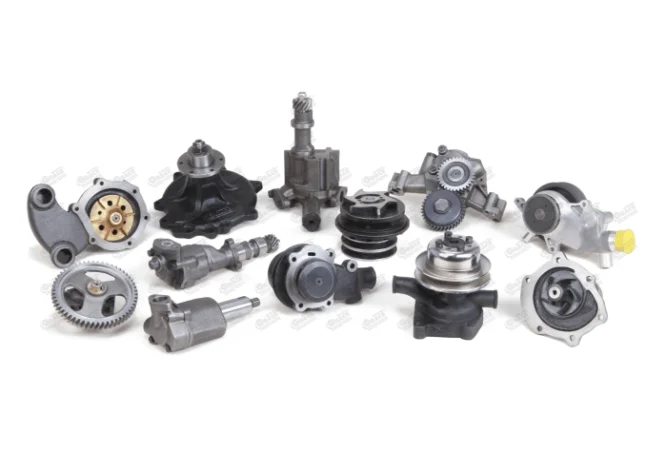
          The car engine oil pump is a critical subsystem that plays a pivotal role in maintaining optimal engine performance. It functions by circulating engine oil under pressure to the rotating bearings, the sliding pistons, and the camshaft of the engine. This lubrication prevents friction-induced wear, enabling smooth operation and longevity of the engine components. 

          It is essential to understand what it is and how it functions. We at Garima Global have put up this useful article to help you understand everything about car engine oil pumps. Enjoy reading!

          What is a Car Engine Oil Pump?

          A car engine oil pump is a component of your car engine that is in charge of lubricating the engine’s various parts like the camshaft, the bearings and the piston, and transporting oil throughout the engine. It is usually found inside the engine, either outside the oil pan, where it is driven by the crankshaft, or inside the pan where it is driven by the camshaft.

          Before the oil reaches the pump, it is pulled out of the pan and passes through a filter, where the oil is purified of any contaminants. This fluid then flows through the engine’s channels by applying pressure.

          The oil pump is an integral component of an engine  that is essential for your car’s engine to perform properly and last a long time.

          Types & Varieties of Car Engine Oil Pumps

          Gear Oil Pump

          Gear oil pumps are one of the most easily available pumps in the market. It consists of two interconnected gears that help to draw out the oil from the pump’s suction side and then push it out at a much higher pressure through the discharge gear by rotating. Gear oil pumps are known for their simple design and reliability

          Rotor Oil Pump

          A rotor oil pump uses an inner and an outer rotor. The lobes of the rotor pump rotate to pull the oil through the inlet and push it through the outlet under pressure

          Vane Oil Pump

          A vane oil pump is a kind of a rotating pump which consists of paddle-like vanes placed radially on a cylinder rotor. The oil gets trapped in these compartments and is transported through the system.

          Crescent Oil Pump

          Crescent oil pumps are located on the control end of the crankshaft and are driven directly by it. These pumps therefore run at the same speed as the crankshaft which enables them to produce a much higher pressure and a higher delivery rate compared to a gear oil pump.

          Trochoid Oil Pump

          Trochoid oil pump is a kind of an internal gear oil pump which consists of inner and outer gear, located within the pump casting. When the inner gear runs, it also forces the outer gear to rotate in the same direction and the oil is produced under pressure. 

          Functions of Car Engine Oil Pumps

          The various functions of an oil pump are as follows:

          • Lubrication

          The main purpose of a car engine oil pump is to supply engine oil to its various moving compartments. Lubrication helps to prevent direct metal-to-metal contact in turn reducing friction and wear and tear of the engine components.

          • Cooling

          The circulation of the engine oil helps to absorb the heat generated by the friction of the moving parts. This oil further takes away the heat from the other components, thus regulating the overall temperature during engine operation and also prevents overheating.

          • Reduction of Friction

          Through the creation of a thin oil film between moving parts, the oil pump helps to lower friction. It reduces  wear and tear of the engine’s parts, enhances longevity and helps to maintain efficiency.

          • Noise Reduction

          Lubrication provided by the oil pump helps to reduce the noise generated by moving parts of the engine. The components which are adequately lubricated generally produce less noise due to reduced friction.

          • Protection against corrosion

          The engine oil consists of certain elements that protects the metal surfaces from corrosion and oxidation, thus preventing rust and deterioration of the engine components.

          • Prevention of oil leakage

          The engine block which is sealed to the oil pan using a gasket helps to prevent oil leakage

          Importance of Engine Oil Pumps

          The main purpose of a car engine oil pump is to supply oil under pressure to the various parts of an internal combustion engine, like the motor parts, which includes the camshaft, the bearings and the piston. The oil helps in lubricating these vital components, and therefore avoids the friction between the moving parts, and the motor from seizing. It also helps to maintain the optimal working conditions for an internal combustion engine by pumping oil to the various parts.

          FAQ’s

          • How does a gear oil pump operate, and where is it commonly used?

          Gear pumps consist of two gears- the input and output gear.The input gear rotates and creates a vacuum that draws fluid into the pump while the fluid is trapped between the gear teeth and is forced out through the outlet port.

          • What are the advantages of using a rotor oil pump in an engine?

          A rotor oil pump helps to extend the longevity of the engine and is able to pump against high pressure, contributing to the overall durability and reliability of your car.

          • How does a vane oil pump function, and what are its benefits?

          The vanes of a vane oil pump helps to enclose the walls of the pumping chamber with a seal which prevents the leakage back into the pump.

          • What distinguishes a crescent oil pump from other types of oil pumps?

          A crescent oil  pump is driven directly by the crankshaft at the same speed, and thus it produces a much higher pressure and faster delivery rate compared to the other pump types.

          Conclusion

          Engine oil pumps are an integral part of your engine. Not only does it help to pump oil to the various components of your car engine to run it smoothly, the oil helps in lubricating the surface which reduces friction between the parts thus protecting your car parts from damage and prolonging it’s life.

          Introduction:

          The cylinder block is a vital part of combustion engines. This comprehensive guide provides insight into the processes involved in manufacturing the different types of cylinder blocks, their functions, and the way they affect engine performance.

          Understanding the Cylinder Block:

          The cylinder block, also called the engine block, is the bedrock of an internal combustion engine. It is made of sturdy metals such as iron or aluminium alloy and houses key components like cylinders, pistons, and crankshaft bearings. Its robust build allows it to withstand the extreme temperatures and pressures present during operation.

          Various Components that Make Up a Cylinder Block:

          The cylinder block is a foundational component of an internal combustion engine. It consists of several integral parts, such as the cylinder heads, rocker covers, and oil sump. These components’ roles are critical to ensure the efficient operation of an engine.

          Cylinder heads seal off the tops of the cylinders and house valves, spark plugs, fuel injectors, etc., thus controlling the intake of air-fuel charge into and exhaust of post-combustion gases out of the cylinders. Rocker covers encase cylinder heads that enhance engine appearance while providing protection and sealing for other related systems. The sump (oil pan) holds the oil supply for engine lubrication of moving parts; for example, an automobile’s pistons are cooled to avoid car overheating. These sub-assemblies within a cylinder block work together to maintain optimal engine performance, durability, and efficiency.

          Importance of the Cylinder Block:

          The cylinder block mainly determines the engine performance. The design and composition directly affect the engine’s size, pressure ratio, and how efficiently heat can be eliminated. All these factors combine to determine a vehicle’s power production and improve fuel consumption.

          Parts of the Cylinder Block:

          Cylinder Head

          The cylinder head, which sits on top of the cylinder block, is an important part that seals off combustion chambers and contains the valvetrain. It is made up of intake and exhaust ports. This part helps burn the charge completely by letting air-gasoline mixture into combustion chambers and removing waste gases through them, thereby influencing engine performance.

          Cylinder Head Covers

          These covers enclose intake/exhaust valves, camshafts, spark plugs, fuel injectors, etc., protecting them against dirt and other contaminants. They are usually made from plastic or metal and act as a barrier against external elements. Moreover, they assist in maintaining oil lubrication by tightening the area for oil leakage at their interfaces with upper parts. Maintaining the integrity of valve covers is vital for optimum performance and durability in engines.

          Oil Pan

          Beneath the cylinder block is where the oil pan resides; it acts as an oil reservoir.  It has a pickup tube that sucks the oil out, which is then pumped through various parts of an internal combustion engine to maintain lubrication. It also dissipates excess heat generated from engine functioning, enhancing efficiency.

          Types of Cylinder Blocks:

          Boxer Engines

          Flat engines are also known as boxer engines because they have horizontally opposed cylinders. This can be compared to a boxer’s fists, which have two banks of cylinders facing each other. These characteristics make boxer engines suitable for high-performance vehicles requiring a lower centre of gravity and balanced configuration.

          V Engine

          V-shaped engines consist of two banks of cylinders located at an angle in a “V” shape formation. This makes it possible for more cylinders to fit into a smaller physical space, thus creating a smaller engine size. V-engines are popular with various cars, including pickup trucks and sedans.

          In-Line Engine:

          Easily the most popular type of engine block design, it has all the cylinders lined up in a single row. Due to its simple design, it is preferred in day-to-day applications like automobiles, light commercial vehicles, and even the majority of heavy-duty engines. They strike a balance between providing enough power-to-weight ratio, simplicity of maintenance, and economical manufacture and operation.

          Functions of the Cylinder Block:

          The cylinder block plays several critical roles, such as supporting cylinders, housing the crankshaft and valve train, and containing various engine accessories like coolant pumps, turbochargers, starter motors, timing belts, etc., thereby ensuring engine performance and long life.

          Cylinder Housing

          The cylinder block acts as a base that supports cylinders by properly aligning them with the combustion chamber lid. This alignment ensures effective sealing for the combustion chambers while facilitating the smooth movement of pistons inside their respective cylinders.

          Coolant Passages

          Coolant passages are incorporated into the cylinder block, which helps regulate engine temperature levels. These pathways permit the circulation of coolant across the entire engine, efficiently removing heat resulting from combustion processes. By preventing overheating, they allow for optimal engine operation over time.

          Bearing Supports

          Bearing supports or journals are cast into the cylinder block to hold the crankshaft in position, thereby reducing warpage between the crankshaft and engine block and allowing smooth rotation and efficient power transfer.

          Conclusion:

          Cylinder blocks are an important part of internal combustion engines, influencing and affecting their operation and functionality. Whether boxer, in-line, or V-shaped, the design of cylinder blocks greatly affects how the engine operates and its efficiency. Understanding their parts, types, and functions provides valuable insights into automotive engineering, highlighting the intricate interplay of components that drive modern vehicles.

          Want to get the best out of your car engine? Check out our line of high quality cylinder heads and other automotive parts at Garima Global. Our products are made in line with modern vehicles’ needs and hence they guarantee longer life spans. That said, if you want to raise your motor vehicle repair services quality then make use of Garima Global’s dependable solutions.

          FAQ’s

          • How does the cylinder block contribute to engine performance?

          The cylinder block plays an important role in determining engine performance as it provides a rigid framework for major components and sub-assemblies. It heavily influences critical performance parameters such as compression ratio, cooling efficiency, and displacement, which impact fuel consumption and power output.

          • What are the different types of cylinder blocks, and how do they differ?

          The different types of cylinder blocks include boxer engines, V engines and in-line engines; they differ as follows:

          Boxer Engines: They have horizontally opposing cylinders that provide a reduced centre of gravity while maintaining a better balance.

          V Engines: These engines are characterised by cylinders that meet at an angle in a V-shaped arrangement. They have a higher power-to-weight ratio and are hence used in high-horsepower applications.

          In-line engines are the most popular engine design due to their economical design and simplicity of manufacturing and maintenance.

          • What is the role of the cylinder head within the cylinder block?

          The cylinder head is located just above the cylinder block; it closes the combustion chambers and houses valvetrain units. It influences how air-fuel mixture enters into the cylinder area, and exhaust gases come out, thus playing a significant role in engine performance. This part helps burn the charge completely by letting air-gasoline mixture into combustion chambers and removing waste gases through them, thereby influencing engine performance.

          • How do cylinder head covers function, and why are they important?

          Cylinder head covers, also known as rocker arm covers, enclose the cylinder heads, ensuring that the valvetrain components are safe from external objects like dust, grime, oil, and dirt. This also helps preserve an appropriate oil supply and control oil loss, which is crucial for engine performance and life.

          Introduction

          Every part of the internal combustion engine has its role to play in the smooth running of the power unit and efficiency. A good instance is a connecting rod. This component is of great significance for the engine’s functioning because it connects a piston with the crankshaft, thereby making possible transformation of linear motion into a rotating one. This detailed blog will dwell on the connecting rod’s design, purpose, types, materials and servicing.

          These metallic structures are thin and hollow and play a crucial role in internal combustion engines. The liner is installed so that the moving piston comes into total contact with its perfectly polished bore,  and the liner is in complete contact with the cylinder block.

          Anatomy of a Connecting Rod

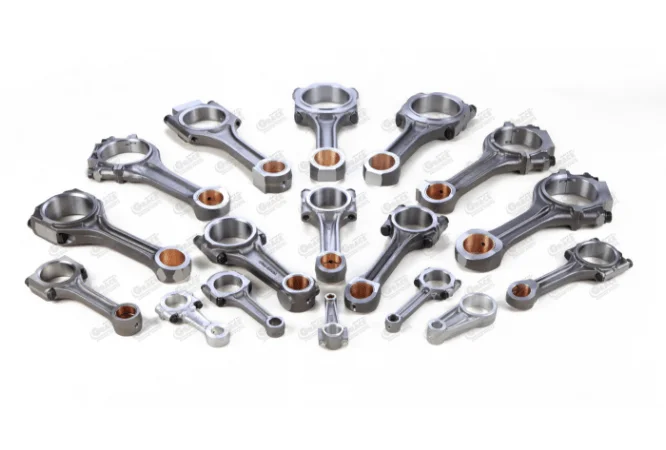
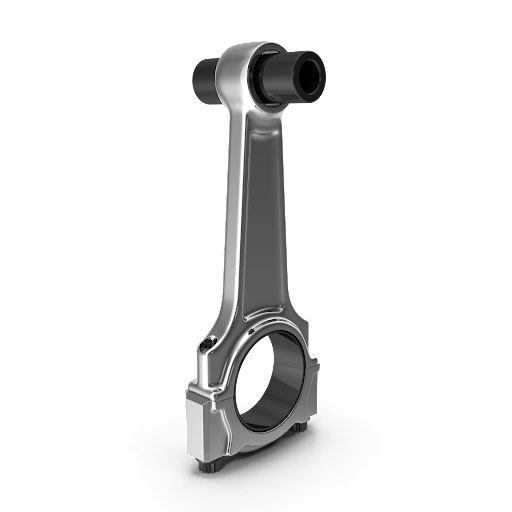
          The connecting rod is one of the very vital parts in internal combustion engines, which plays a significant role in joining the piston to the crankshaft. It consists of some key components such as the big end, small end, shank, and shoulders. The big end is connected to the crankshaft by use of a bearing while the small end houses the piston pin that facilitates back and forth motion of the piston. Shank serves as a major part that links both the ends – it ensures forces are transmitted from the small end to the big end.

          Besides, these, shoulders give support and stability to it under extreme mechanical stress without allowing distortion in its shape. This is why knowledge of how this component looks like in terms of its structure helps people understand better how it operates within an engine running on internal combustion principles; therefore, showing what importance it has towards the general purpose and operational capacity of an engine.

          Functionality of a Connecting Rod

          Above all, the pivotal function of a link rod is to shift the piston’s back-and-forth motion into the crankshaft’s rotational movement. The force of the piston in the cylinder is sent by the connecting rod to the crankshaft then turns it into rotation for propelling the vehicle along.

          In addition to being a linkage between motions, it also helps maintain structural integrity in an engine as well. So, comprehending how this component runs is necessary when considering what major role connecting rods play in the perfectly functioning of internal combustion engines.

          Types of Connecting Rods

          Connecting rods are available in different forms which are created to fit particular applications and meet performance requirements. I-beam, H-beam, and A-beam are some of them. The I-beam rods are lightweight and suitable for street use while the H-Beam design gives more strength and thus lasts longer, hence desirable for high-performance engines. A-Beam is generally used in diesel engines as they are robust and dependable too.

          Materials Used in Connecting Rod Construction

          Connecting rods are typically manufactured from high-strength materials; these include steel forgings, aluminum, titanium, or carbon fiber composites. The material decision relies on factors such as the type of engine to be used, application context, and performance demands.

          Where high-performance engines are concerned, it is not surprising that the best choice among all is usually forged steel rods mainly due to their durability as well as superior strength while aluminum rods are light in weight and hence ideal for racing applications.

          Titanium rods, which are an alternative with superior strength for engines needing top-notch performance, whereas technology advancement has brought carbon fiber composites as a viable option that combines weight reduction with strength. Material selection plays a critical role in the overall performance and life span of connecting rods, making it mandatory for engine builders and enthusiasts to carefully analyze their options based on specific requirements and objectives.

          Balancing and Tuning Connecting Rods

          There are two important aspects of balancing and tuning connecting rods in engine assembly, which are crucial for ensuring smoothness of operation and reduction in vibrations. Balancing is the process of equalizing the weight distribution of the connecting rods to prevent engine imbalance that can lead to premature wear and reduced performance.

          On the other hand, tuning aligns connecting rods’ length and stiffness with the specific requirements of an engine. These parameters can be set with great care to optimize conditions during combustion thus making it less straining on the entire frame. With these principles, balancing and turning become part and parcel of maximizing engine efficiency as well as longevity; hence a must-do during engine assembly.

          Performance Connecting Rods

          Performance rods are designed to withstand more loads and stresses compared to standard ones, making them a perfect fit for high-performance engines. These rods are typically of forged steel or titanium alloys, which leads to more rigid structures capable of withstanding higher horsepower and torque. In addition, the performance rods are designed with  different lengths and configurations to suit various engine setups.

          Maintenance and Care Tips

          Regular checking of bolts, nuts, and bearings of connecting rods will help in identifying early signs of wearing out or any damage. Moreover, following manufacturer guidelines about torque specifications along with lubrication that should be applied can prevent premature failure of connecting rods thus prolonging their durability. Also, ensuring correct oil levels in the engine at all times as well as timely changing engine oil can ensure that these parts do not wear out prematurely.

          FAQ’s

          • What is the primary role of a connecting rod in an engine?

          The connection rod’s primary function is to transform the piston’s back and forth (reciprocating) motion to the rotating motion of the crankshaft.

          • What are the main types of connecting rods and their applications?

          The main types of rods based on shank cross-section design are I-beam, H-beam, & A-beam rods. I-Beam Rods are lightweight and hence suitable for street applications while H-Beam Rods provide increased strength meant for high-performance engines. A-beam rods are usually used in diesel engines due to their ruggedness.

          • How does the material of a connecting rod impact engine performance?

          The material used for a connecting rod affects its strength, weight, and durability; hence its impact on the engine performance too. Materials like forged steel and titanium have superior strength and durability which makes them ideal for high-performance engines whereas aluminum rods are light (weight) for racing purposes.

          • What is the difference between fully floating and press-fit connecting rods?

          Fully floating connecting rods consist of separate bearings for the piston pin as well as the crankshaft journal so that they can move independently with minimal friction. On the other hand, press-fit connecting rods feature a piston pin that is pressed straight into the rod, thus making it stiffer.

          • What are the maintenance tips for ensuring the longevity of connecting rods?

          Examination of connecting rod bearings, bolts, and fasteners against torque specifications and lubrication recommendations while maintaining an adequate amount of engine oil is necessary for the long life and serviceability of connecting rods.

          Conclusion

          So, to conclude; the connecting rod is an essential part of internal combustion engines, both in terms of their functionality and durablility. We have discussed its anatomy, purpose, types, materials, and maintenance which indicate its importance in guaranteeing the best engine performance.

          Choose Garima Global for quality automotive components and accessories. Being a leading manufacturer and supplier in India, Garima Global offers a wide range of high-end spare parts as well as OEM components. By partnering with Garima Global, you can have access to products that are made of high-quality materials aimed at improving the performance and durability of your vehicles. This will, in turn, ensure high levels of satisfaction for your customer.

          Introduction:

          An essential part of internal combustion engines is the cylinder liner, an engine liner or cylinder sleeve. It operates as a functional and protective element inside the engine’s cylinder block, giving the piston a durable, smooth surface to move on and providing structural and thermal advantages. It is essential to many automotive, industrial, and marine engines because it preserves engine durability, performance, and efficiency.

          These metallic structures are thin and hollow and play a crucial role in internal combustion engines. The liner is installed so that the moving piston comes into total contact with its perfectly polished bore,  and the liner is in complete contact with the cylinder block.

          Understanding the purpose of Cylinder Liners

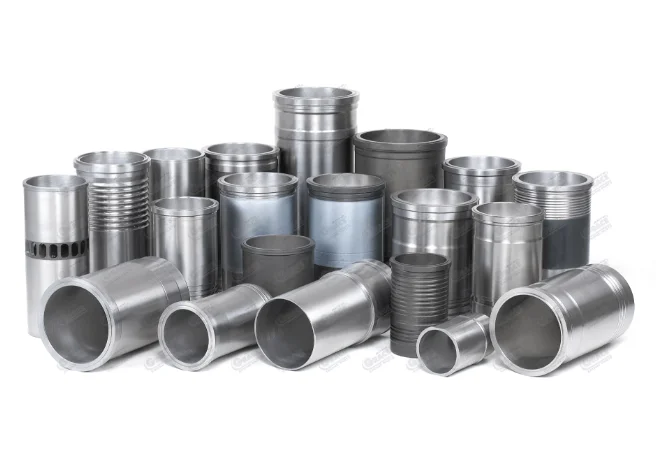
          A cylinder liner is a cylindrical part put into the engine block to provide a strong, smooth, and wear-resistant surface for the piston’s reciprocating motion. This ensures effective sealing and lubrication. It is essential for preserving engine durability and performance in industrial, marine, and automotive applications. The functions of cylinder liners are listed below:

          Formation of Sliding Surface

          It offers a smooth sliding surface for the piston’s reciprocating action. Cylinder liners are an important component of internal combustion engines. Piston rings can rush along the inner walls of the liner since there is less friction resistance. The inside surface of the liner develops a thin lubricating coating, further lowering frictional resistance.

          Reduction of Wear

          Cylinder liners for internal combustion engines have outstanding anti-galling characteristics that reduce wear on the liner, as well as the piston rings that come into contact with it. The piston rings would directly wear the cylinder block without a cylinder liner. Since the cylinder block would need to be replaced frequently in such a situation, replacing the cylinder liner is more economical than replacing the complete block. The liner’s presence lessens galling, a kind of wear brought on by adhesive forces between mating components.

          Heat Transfer

          The transmission of heat produced during combustion is one of the cylinder liners’ other essential roles. Wet liners help the heat flow from the combusting charge into the engine block and finally into the ambient air or coolant. Effective heat dissipation is ensured by the coolant’s role as a heat sink.

          Sealing

          Maintaining a tight seal between the piston rings and the liner walls mainly depends on cylinder liners. The extraordinary smoothness of the inner cylinder walls is necessary for this sealing function. Consequently, it minimises charge leakage during the compression stroke and stops exhaust gasses from escaping into the crankcase during the exhaust stroke.

          Withstanding Combustion

          Internal combustion engines produce high pressure and temperature levels under harsh operating circumstances. Withstanding pressures of up to 25 bars and temperatures as high as 2500 degrees Celsius, the cylinder liners are made to resist these extreme circumstances. The engine’s cylinder block would be exposed to premature wear from the high heat and pressure produced during combustion if the cylinder liners were missing.

          Materials Used In Cylinder Liners

          Cast iron is the material of choice for cylinder liners because of its excellent damping qualities, porosity, and innate lubricating qualities. Centrifugal casting is produced with raw materials melted in an induction or oil-fired furnace. The particular application determines the ideal cylinder liner material. The different ferroalloys that are added to pig iron include:

          • Chromium

          Ensures extended durability by improving liner hardness, wear resistance, and corrosion resistance.

          • Molybdenum

          Withstands high temperatures and pressures and improves resistance to wear.

          • Nickel

          Trace amounts of nickel improve casting quality overall, homogeneous strength distribution, and machinability.

          • Copper

          Adding copper improves corrosion resistance, lowers friction, improves the pearlite structure, and offers a better sliding surface.

          • Vanadium

          Reduces fragility while enhancing the liner’s hardness, durability, and micro-structure.

          • Titanium

          Reduces compact graphite structures and minimises blow holes through its interaction with nitrogen to generate Titanium nitride.

          • Phosphorus

          Improves cast iron’s grain structure, which improves performance.

          • Silicon

          Stabilises the liner’s structural integrity and reduces shrinkage.

          Types of Cylinder Liners

          Dry Cylinder Liners

          Wet Liners have a substantial thickness, which ranges from 3mm to 6mm. They lack the supporting structure provided by a cylinder block in comparison to dry liners and are in direct contact with the coolant. They are usually used in heavy duty engines where heat dissipation requirements are very stringent.

          Finned Cylinder Liners

          Finned liners find application in air-cooled engines. These liners feature exposed fins in direct contact with the open air to dissipate heat to the ambient air. They result in a more straightforward engine design but might face challenges in cooling the engine sufficiently under certain operating conditions.

          Functions of Different Types of Cylinder Liners

          The functions of  different types of cylinder liners are listed below:

          Function of Dry Cylinder Liners

          The engine block and the liner resist the pressure created due to the charge burning. No space is allowed between the cylinder block and the dry liners.

          Function of Wet Cylinder Liners

          In the case of wet liners, Heat Transfer takes place from the liner to the coolant directly, and the liner can also withstand the force generated during the combustion of the charge.

          Function of Finned Cylinder Liners

          Finned liners are typically utilised in engine applications when the engine can be sufficiently exposed to ambient air and does not need a coolant circuit.

          Type of Cylinder LinerAdvantagesDisadvantages
          Dry LinersDry Liners have a simple design due to the lack of water jackets and sealing grooves, and replacement is straightforward.Constructing the cylinder block in which it is installed is complex, and heat dissipation is less effective.
          Wet LinersWet liners have the advantages of being very simple to manufacture, more effective in cooling, and less longitudinal stress due to the liner’s thermal expansion.Type Liner replacement is complex, and if the sealing o-rings are not installed properly, there is a risk of water leakage. They are also more expensive.
          Finned LinersThey have excellent heat dissipation capabilities and are resistant to corrosion.It cannot be fitted in any mechanism that uses coolant because it is made to support an air-cooled engine.

          Advantages and Disadvantages

          Advantages of Cylinder Liners

          • Wear Resistance

          Materials with a high degree of wear resistance, including cast iron, steel, or even sophisticated composite materials, are used to make cylinder liners.

          • Heat Dissipation:

          The heat produced during combustion is assisted in dissipating by cylinder liners.

          • Bore Restoration

          The cylinder may get worn down and imperfect with time, and replacing the liner provides an easy and cost-effective way to restore the bore to its original condition.

          • Decreased Friction

          The friction between the piston rings and the cylinder walls is lessened by the smooth surface of cylinder liners.

          • Better Lubrication

          Cylinder liners can be made with specific surface treatments and finishes for better lubrication.

          • Compatibility with Various Piston Materials

          Engine designers can utilise various materials for cylinder blocks and pistons thanks to cylinder liners.

          Disadvantages of Cylinder Liners

          • Increased Weight

          The engine weighs more because cylinder liners are an additional component.

          • Cost

          The price of producing and installing cylinder liners may raise the total cost of building or repairing an engine.

          • Diminished Cooling Efficiency

          Since cylinder liners can serve as thermal insulators, there are situations when their presence can marginally impair the heat transfer efficiency from the engine’s cooling system to the combustion chamber.

          • Possibility of Liner Slippage

          There is a chance of liner slippage or distortion in high-stress or high-temperature engine applications. This might impair engine performance and necessitate extra maintenance.

          Conclusion

          Cylinder liners are essential to internal combustion engines as they offer a smooth sliding surface for the piston’s reciprocating action. Piston rings may move quickly along the inner walls of the liner since there is less friction resistance.

          FAQ’s

          • How do dry cylinder liners differ from wet cylinder liners?

          Dry liners are not in direct contact with the coolant, while wet liners are in direct contact with the engine coolant. Hence, wet liners are generally more effective at heat dissipation, while dry liners are more straightforward to manufacture and install.

          • What are the advantages of using finned cylinder liners?

          Cylinder liners with fins are made for air cooling. Because of the increased surface area of the fins on these liners, air can circulate the cylinder to cool it, resulting in excellent heat dispersion.

          • How do cylinder liners contribute to engine performance and longevity?

          Engine cylinder liners perform vital tasks such as giving pistons a smooth, wear-resistant surface, guaranteeing correct sealing, facilitating heat dissipation, and enhancing engine lifetime and performance.

          • How do cylinder liners contribute to engine performance and longevity?

          Tests on diesel engines revealed that surface texturing of the cylinder liner during the mid-stroke reduced heavy-duty vehicle fuel consumption by 0.6 to 3.2%. On the test rig, the friction was reduced by 30%. Various coatings and surface treatments are utilised in engine liners to increase their performance and durability. They protect the engine block, which is a costly component, from wear and act as a protective wear gear which can be replaced easily, thus increasing engine life exponentially.

          The engine’s fundamental component is the connecting rod. It turns the crank shaft, which aids in spinning the wheels of any vehicle’s engine. Between the engine’s crank and piston, it is located. It is made to withstand pressures brought on by combustion and piston movement. The component is lightweight. A connection rod’s primary function is to allow fluid motion between pistons and a crankshaft. Therefore the load the piston represents puts a lot of pressure on the connecting rod. The connecting rod is given much consideration when constructing a high-performance engine. A connecting rod’s consistent shape should be its most helpful characteristic. Below mentioned points are connection rod design and analysis for weight and stress reduction:

          Connecting Rod In The Engine

          The primary purpose of a connecting rod is to change rotating motion from reciprocating motion and vice versa. It was dragging and pushing a piston that could transfer energy. This causes the rod and cranks to turn. It is often referred to as the engine’s heart. Mainly for an engine’s working mechanism, it performs piston pushing and pulling activities. For a machine to start and move the machinery it is utilized in, this generates power. It is most frequently used in car engines. Any vehicle with a combustion engine, including cars, trucks, and bikes, uses a connecting rod. This connecting rod-using engine will be found in all commercial vehicles.

          Working Of A Connecting Rod

          Finite Element techniques simplify analyzing the structural systems of connecting rods. Thus, a suitable Finite Element Model is created using CAD software. Using finite element analysis software, static analysis is then performed to calculate the von Misses stress, shear stress, elastic strain, and total deformation in the connecting rod of the current design under the specified loading circumstances.

          Performance Of The Engine

          The material of the connecting rod and the connecting rod’s weight are the two parameters that impact an engine’s performance. The machine’s efficiency is determined by how much force is expended to move the connecting rod during the power stroke. Less efficiency results from using more energy to move the connecting rod.

          Design Of A Connecting Rod

          A connecting rod is a piece of machinery that experiences alternate direct compressive and tensile forces. The compressive forces are significantly more significant than the tensile forces, the connecting rod’s cross-section is built as a strut, and the Rankine formula is applied. A connecting rod subjected to an axial load may budge along the x and y axes. The connecting rod is seen as having both hinged ends for buckling about the x-axis and both fixed ends for buckling about the y-axis. A connecting rod should be capable of buckling equally well around either axis.

          Final Words

          It was discovered that the Connecting Rod is built for the engine’s maximum speed and gas pressure. According to the finite element analysis results, there is a significant amount of material removal from the connecting rod’s big, small, and area linking the two ends. Its thickness can be reduced based on the conclusions drawn from the analytical calculations. It was noted that the previous connecting rod is heavier than the new connecting rod geometry.

          Since the beginning of the Power sports industry, four-stroke engines have been used in various vehicles, including street motorcycles, dirt bikes, ATVs, and UTVs. Engine technologies have advanced over time in several ways, which has eventually resulted in ever-improving engine performance. Given valves’ crucial role, the installer’s margin for mistakes is continuously decreasing as valve technology advances. While installing new Engine Valve, several stages must be carefully studied and executed exactly as they should be to guarantee long-term success. Wrong installation may cause the fast damage in the value. So it is essential to follow the guidelines which are given in the manuals. 

          Pre-Installation

          The valve guides and seats are two crucial components determining how long your new engine valve last. The purpose of the valve guide is to direct the position of the valve so that it is regulated as it moves up and down. Before installing the replacement valves, the valve guides must be measured. Check the manual to see the service limits for the valve guide bore and your engine’s specifications and directions. The valve seat can be recognized as a steel or bronze round ring. The valve seats experience stress in a variety of ways, including temperature stress, frictional stress, and impact stress. Examine the retainers and seats for wear indicators, which often appear due to contact with the valve spring. These components need to be changed if significant wear or indentations are seen. 

          Installation

          A small amount of engine oil or assembly lube should be applied to the valve spring seats before installation. Installing the fresh valve stem seals should come next. Because the diameters of the intake and exhaust valves can vary, be sure the proper seals are put in the right places. Apply a thin engine oil or assembly lube layer to the valve springs’ and retainers’ contact points. As per the manual instruction, the coating can be applied. The valve spring compressor can be detached when the keepers have located their notches in the valve stem. Once each valve stem has been tapped a few times, all the valve springs should be shortened. The top of the valve must be tapped to ensure that all of the keepers are correctly installed before starting the engine.

          Post-installation

          After the installment, checking the engine valve clearances as necessary is crucial. Ensuring that the cam timing is set according to the process described in the service manual is essential. It is also a good idea to manually turn the engine a few times to check for problems made during reassembly. Before startup, a leak-down test can be carried out to validate the integrity of the seal between the valve face and the valve seat. A leak-down test will offer measurable methods to determine the source of any cylinder leaking and the degree of it.

          Bottom Line

          Checking engine valve clearance after installing new valves and springs is essential since various-sized shims frequently become necessary. Also, following the manual instructions for the best installment is crucial. 

          To provide a suitable sturdy companion for the piston, cylinder liners are inserted into the bore region of internal combustion engines. These liners must have appropriate sliding qualities, wear resistance, and thermo-mechanical behavior during operation. For automotive applications, pre-manufactured cylinder liners may be cast into or manually placed into aluminum engine blocks or created as replaceable parts in more giant diesel blocks. Compression molding is typically used to develop Cylinder Liner out of grey or alloyed-grey iron. Here you can look into the benefits of thin-layer coatings for cylinder liners:

          Manufacturing Process

          With cylinder liner manufacturers in India, the cylinder liner is brought to the desired cylinder shape, ovality, and taper parameters. Nevertheless, following installation in the cylinder block and the cylinder head bolts’ tightening, the cylinder liner’s body is altered. Physical and chemical properties of lubricants, anti-wear and anti-pressure characteristics of lubricants, and features of the surfaces of sleeves and rings frequently cannot stop severe wear and destruction of rubbing surfaces, which manifests as rubbing, teasing, and cauterization on sleeves and rings.

          Lubrication 

          The inner surface of the sleeve is lubricated with spray and oil mist, and occasionally it might be coated with phosphate or porous chromium to promote burn-in. When a metal-coating layer spontaneously develops on rubbing surfaces in the contact zone, selective transfer during friction has a favorable effect. With cylinder liner manufacturers in India, it is possible to achieve zero wear of components under demanding transfer conditions and coefficients of conflict comparable to liquid friction by forming a metal-coating film that isolates the rubbing surfaces even under heavy loads.

          Reducing The Wear Of Rubbing Surfaces

          Usually, simple techniques are used to generate selective transfer conditions, which reduce the wear of rubbing surfaces:

          • adding chemicals to the oil that include copper;
          • applying a non-ferrous metal coating
          • Installation of inserts made of non-ferrous metals in machine parts.

          It is recommended to use a self-working coating of an unloaded gas joint on the cylinder liner. Because it adheres well to the cylinder surface and, when working as a result of the removal of the rings, creates a form that ensures a perfect fit of the rings’ entire surface to the sleeve. Cylinder Liner Manufacturers In India offer good burn-in characteristics in cylinder liner and work in conjunction with compression rings and pistons without rubbing or teasing.

          Process Of Launting

          Process liquid, a mixture of glycerol and metal chlorides is used as an activating solution in this process. One unique benefit of internal combustion engines with this cylinder liner treatment is that the layer does not need final processing and may be applied during installation in any environment when putting together a new machine or repairing one.

          Bottom Line

          The operational characteristics could be improved by removing grates and teasers during the burn-in process when using the liner coating. Manufacturing of cylinder liners are based on the findings of samples with brass coatings applied in two different ways that were tested in the lab and on a test bench.

          Cross Image

          Start the
          conversation.

          Every beautiful relationship starts with a simple hello. So let’s chat. It might just be the start of something memorable.