
India has rapidly transformed into a global manufacturing powerhouse, with the automotive sector spearheading this industrial revolution. Tata Motors, a prominent name in this market, has not only cemented its dominance in the domestic market but has also carved a substantial niche for itself on the international stage. A key driver of this global success is the huge demand for Tata spare parts. In this blog, we’ll talk about the core reasons propelling this demand, the specific parts in high demand, their indispensable role in vehicle upkeep, and the leading manufacturer of authentic spare parts Garima Global.

Key Reasons for High Demand for Tata Spare Parts

Cost-Effectiveness

India’s favorable manufacturing ecosystem, characterized by cost-effective operations, is a cornerstone of Tata’s success. This economic advantage translates into competitively priced spare parts without compromising on quality, making them an attractive proposition for international buyers.

Superior Quality

Tata’s unwavering commitment to quality is evident in its spare parts. Stringent adherence to global quality benchmarks has earned the trust of customers worldwide. Their emphasis on quality makes sure that Tata spare parts are synonymous with durability and reliability.

Availability and Accessibility

Accessibility is another crucial factor driving demand. Tata’s well-established distribution network guarantees the timely availability of spare parts across diverse international markets. The efficient supply chain is instrumental in meeting the needs of vehicle owners and repair workshops.

Durability

Tata vehicles are renowned for their robust build quality designed to endure challenging conditions. This durability is inherently reflected in their spare parts, making them a preferred choice for customers operating in varied geographical terrains.

Customization Options

Furthermore, Tata offers a comprehensive range of spare parts to accommodate different vehicle models and customer preferences. This customization capability enhances customer satisfaction by providing tailored solutions.

Types of Tata Genuine Parts in High Demand

While all Tata spare parts command considerable demand, certain components stand out due to their critical role in vehicle performance and maintenance.

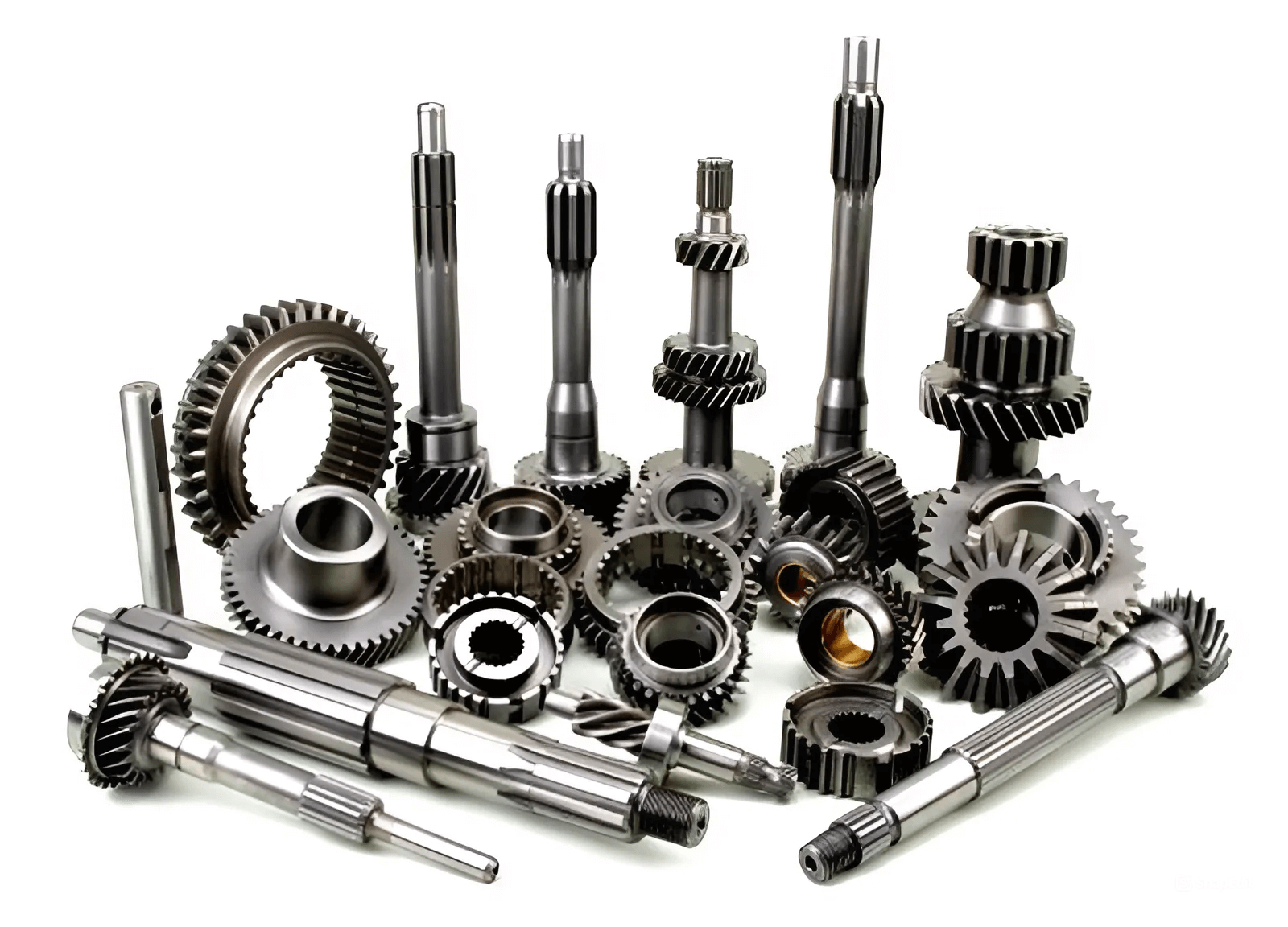
Tata Gearbox Parts

The gearbox is an important component for smooth vehicle operation. Tata gearbox parts, characterized by precision engineering and durability, are highly sought-after globally. Key components in high demand include:

  • Gear shafts
  • Synchronizers
  • Bearings
Bearings
  • Differential gears
Differential gears

Tata Engine Parts

As the vehicle’s powerhouse, the engine relies on top-tier spare parts. Tata engine parts are engineered for optimal performance and fuel efficiency. Popular components include:

  • Pistons
Pistons
  • Connecting rods
Connecting rods
  • Bearings
Cylinder heads
  • Crankshafts
Crankshafts

Types of Tata Genuine Parts in High Demand

Employing genuine spare parts is paramount for preserving a vehicle’s performance, safety, and longevity. These parts are carefully designed to seamlessly integrate with Tata vehicles, guaranteeing optimal compatibility and reliability. Regular replacement of worn-out components with authentic spares prevents costly breakdowns and extends the vehicle’s lifespan.

Tips for Choosing the Right Spare Parts for Tata

Selecting the correct spare parts is important for optimal vehicle performance and longevity. Here are some tips to help make informed decisions:

  • Verify vehicle details: Always double-check the vehicle’s model, year, and engine type to ensure compatibility.
  • Check part numbers: Compare the part number on the old part with the new one to guarantee a perfect match.
  • Trust authorized dealers: Purchase spare parts from genuine manufacturers and suppliers such as Garima Global to ensure genuine products and warranty coverage.
  • Consider quality over price: While it’s tempting to opt for cheaper alternatives, investing in high-quality spare parts can save money in the long run by preventing premature wear and tear.
  • Read product descriptions: Thoroughly review product descriptions and specifications to confirm compatibility with the specific requirements.

Adherence to these guidelines ensures accurate spare part selection for Tata vehicles, leading to optimal performance and reliability.

Conclusion

The great demand for Tata spare parts in international markets demonstrates the brand’s unwavering dedication to quality, affordability, and customer satisfaction. As the automotive landscape continues to evolve, demand for high-quality spare parts for Tata also increases.

By offering a vast array of durable and readily available spare parts, one supplier has solidified its position as a leading manufacturer of TATA spare parts, Garima Global.

FAQs

1. What factors contribute to the high quality of Tata spare parts?

Tata’s dedication to research and development and stringent quality control measures ensure that spare parts meet and often exceed international standards. The utilization of innovative manufacturing techniques and premium materials further improves the quality of Tata spare parts.

2. How does the cost-effectiveness of Tata spare parts benefit international buyers?

The cost-effective nature of Tata spare parts is a direct result of India’s competitive manufacturing environment. This affordability allows international buyers to optimize their operational costs without compromising on part quality.

3. Which specific Tata spare parts are most popular in international markets?

While all Tata spare parts enjoy considerable demand, gearbox and engine parts tend to be particularly popular. Components such as gear shafts, synchronizers, pistons, and connecting rods are in high demand due to their critical role in vehicle performance.

4. What are the key international markets for Tata spare parts?

Tata spare parts have gained traction in different areas, including Africa, the Middle East, Latin America, and Southeast Asia. These markets appreciate Tata’s cost-effective yet high-quality offerings.
      India has become a global leader in the automotive industry, with a 5.7% compound growth in automotive parts exports between 2019 and 2023. In 2023, exports reached $20.1 billion, and sales in the first half of 2024 were ₹2.98 trillion. India’s skilled labor, cost-effective production, and extensive supplier network attract importers worldwide.

      Importing automotive parts from India offers cost savings, a variety of products, and long-term partnerships. This guide covers key aspects of importing from India, including quality, supplier selection, logistics, and legal requirements, ensuring you are well-prepared to make informed business decisions.

      Understanding the Indian Automotive Spare Parts Market

      India’s automotive journey began in the 1940s with vehicle assembly, evolving into a comprehensive ecosystem that included research, development, manufacturing, and after-sales services.

      Major hubs like Delhi-NCR, Pune, Chennai, and Bangalore host numerous spare parts manufacturers. The industry serves both domestic and international markets, including organized sectors focusing on OEMs and precision components and unorganized sectors offering aftermarket parts at competitive prices. 

      Renowned globally, India excels in producing components for two-wheelers, passenger cars, commercial vehicles, and tractors, with strong capabilities in powertrain, chassis, electrical systems, and body parts.

      Key Considerations for Importing Automotive Spare Parts from India

      Importing automotive spare parts from India offers immense potential, but it’s essential to approach it with careful planning and due diligence. Several key factors must be considered to ensure a successful venture.

      1. Quality and Standards

      India has made significant strides in improving quality standards within the automotive component industry. Adherence to international quality benchmarks is crucial for gaining customer trust.

      • Indian Quality Standards: Explore certifications like ISO, AIS, and other industry-specific standards that Indian manufacturers comply with.
      • Supplier Audits: Conduct thorough audits to assess the supplier’s quality control processes, manufacturing facilities, and adherence to quality standards.
      • Third-party Inspection: Consider engaging a third-party inspection agency to verify product quality before shipment.

      2. Supplier Selection and Due Diligence

      Choosing the right supplier is important for the success of the import business. A thorough selection process is essential to mitigate risks and ensure a reliable supply chain.

      • Identifying Reliable Suppliers: Research potential suppliers through online directories, trade shows, and industry recommendations.
      • Supplier Evaluation: Consider factors such as experience, financial stability, production capacity, quality control systems, and export capabilities.
      • Building Relationships: Establish strong relationships with suppliers through regular communication and visits to their facilities.

      3. Cost and Pricing

      Understanding the cost structure of automotive spare parts from India is also important for competitive pricing and profitability.

      • Factors Affecting Price: Analyze factors such as raw material costs, labor wages, exchange rates, and production volumes.
      • Negotiation Strategies: Develop effective negotiation tactics to achieve favorable pricing terms.
      • Cost-Saving Measures: Explore opportunities for cost reduction, such as bulk purchasing, direct sourcing, and optimizing shipping methods.

      4. Logistics and Shipping

      Efficient logistics and shipping are crucial for timely delivery and minimizing costs.

      • Shipping Options: Evaluate different shipping methods (sea, air, rail) based on factors like product volume, delivery timeline, and cost.
      • Customs Clearance: Understand customs procedures, documentation requirements, and potential duties and taxes.
      • Freight Forwarders: Partner with a reliable freight forwarder to handle shipping arrangements, customs clearance, and documentation.
      • Supply Chain Management: Implement effective supply chain management practices to optimize inventory levels, reduce lead times, and minimize risks.

      Popular Automotive Spare Parts to Import from India

      India has a strong manufacturing base for a wide range of automotive spare parts. Some popular categories include:

      Engine Components

      High-quality engine components like piston rings, cylinder head, connecting rod, and camshafts ensure reliable performance and durability for the automotive needs.

      Suspension Components

      Manufacturers provide robust suspension components, including shocks, struts, and springs, to enhance vehicle stability and comfort.

      Other Popular Components

      A wide range of superior-quality components, such as electrical, transmission, braking, and body parts, are available at competitive pricing for two-wheelers, passenger cars, and commercial vehicles. 

      Conclusion

      Importing automotive spare parts from India can be a profitable venture when approached systematically. By carefully considering factors such as quality, supplier selection, and logistics, businesses can establish successful import operations.

      Remember to conduct thorough market research, build strong relationships with suppliers, and continuously adapt to industry changes. With proper planning and execution, India can be a valuable source of high-quality automotive spare parts. Garima global is an Indian brand that supplies high-quality spare parts.

      FAQs (Frequently Asked Questions)

      • How can I ensure the quality of auto spare parts from Indian suppliers?

      Ensuring the quality of auto spare parts from India requires a multi-faceted approach. Prioritize suppliers with certifications like ISO, AIS, or other relevant standards. Conduct thorough supplier audits to assess their quality control processes. Consider engaging a third-party inspection agency to verify the product quality before shipment. Building strong relationships with trusted suppliers is also crucial.

      • What certifications should I look for in Indian automotive spare parts?

      Some of the key certifications to look for in Indian automotive spare parts include ISO 9001 for quality management, IATF 16949 for automotive quality management, AIS (Automotive Industry Standard) certifications specific to India, and any other industry-specific certifications relevant to the product.

      • How do I verify the credibility of an Indian auto parts supplier?

      Verifying the credibility of an Indian auto parts supplier involves several steps. Conduct thorough background checks, including financial stability, business history, and customer references. Visit the supplier’s facilities to assess their production capabilities and quality control measures. Consider using online platforms and industry directories to gather information and reviews.

      • What are the common shipping methods for automotive spare parts from India?

      The most common shipping methods for automotive spare parts from India include:

      1. Sea freight: Suitable for large volumes and less time-sensitive shipments.
      2. Air freight: Ideal for urgent or high-value shipments.
      3. Rail freight: A cost-effective option for certain regions and types of cargo.

      The choice of shipping method relies on factors such as product volume, delivery time, and cost considerations.

      OEM stands for “Original Equipment Manufacturer” that produces the vehicle/application. Examples of popular OEMs in India in the passenger car segment are Maruti Suzuki, Hyundai, Mahindra, and Tata. OEM parts refer to replacement components made or marketed by the OEM of that application rather than by a third-party company. These parts are designed specifically for the intended product and are identical to the parts used in the vehicle’s initial manufacturing process.

      For example, if you own a Ford car, OEM parts for your vehicle would be those produced or marketed by Ford itself, not by another company.  OEM replacement parts are typically recommended for repairs and replacements because they ensure compatibility and often come with manufacturer warranties. Using OEM parts helps maintain the product’s original performance and safety standards.

      They are usually more expensive than alternatives available in the market due to the higher brand value and overheads of the OEMs, but they offer more peace of mind and confidence to the end consumer.

      OEM Parts Meaning: Deciphering the Terminology 

      By understanding OEM parts meaning and how they differ from other spare parts, also called aftermarket parts, available in the automotive market, it will be easy to make decisions regarding the repairs and maintenance of your vehicle. 

      Decoding (OEM) Original Equipment Manufacturer Parts 

      OEM parts are marketed as “genuine components” designed, distributed, and marketed by the original manufacturer of that specific vehicle or application. This ensures that each part fits and functions as intended, preserving the original specifications, compatibility, and product standards.

      Using OEM parts is essential for maintaining an application’s warranty and resale value, especially if it is within the OEM’s warranty period. They are often the preferred choice for repairs due to their guaranteed compatibility and the assurance of quality they bring. Understanding the significance of OEM parts helps consumers and professionals ensure their equipment or vehicles’ longevity and optimal performance.

      Key Features of OEM Parts 

      Here are the key features of OEM parts that explain their significance: 

      • OEMs maintain a highly detailed design and compatibility history of each part for their applications, thus eliminating expensive rework due to wrong/incompatible parts being supplied and/or fitting into the vehicle. 
      • As OEM car parts are produced by the original manufacturer, they undergo various stringent QC tests. 
      • OEM parts are backed by warranty.
      • OEM vehicle parts comply with the safety and quality standards.

      Benefits of Using OEM Parts 

      Using OEM parts offers various benefits that improve your vehicle’s longevity, performance, and overall resale value. The primary advantages of OEM parts are mentioned below. 

      • High-quality materials

      OEM parts are made using high-quality raw materials, and they are durable enough to survive daily use for a long time.

      • Quality inspections

      From material selection to physical inspection, all the OEM vehicle parts undergo quality control tests. This way, the manufacturers supply only the best quality OEM components that meet the QA standards.

      • Safety

      As the OEM components are made considering the industry standards and safety certifications like the E mark for brake pads and mandatory IATF certification of their vendors, they are known for their safety, especially the braking system parts.

      • Warranty

      In general, most of the OEM vehicle parts come with a warranty against any manufacturing defect, thus giving the end user peace of mind and confidence. 

      • Good resale value

      If a vehicle has been maintained exclusively using OEM parts, it will command a higher resale value in the pre-owned market.

      Exploring OEM Replacement Parts 

      OEM replacement parts are the spare parts for your vehicle’s original parts. Compared to aftermarket replacement parts, OEM replacement parts are beneficial. Let’s explore the benefits of OEM spare components and a brief buying guide. 

      Advantages of OEM Replacement Parts

      Check out the main advantages of OEM replacement parts. 

      • Compatibility

      OEMs maintain a detailed catalog of the parts they manufacture for each vehicle. Hence, you can simply purchase the replacement parts by informing your car’s model, year, and unique serial number (VIN) of your vehicle. You do not need to know the exact OEM part number of each part you want.

      • Budget-friendly:

      OEM replacement parts are available at affordable prices. In addition, they help you save money in the long run by avoiding costly repairs caused by using low-quality aftermarket parts. Surprisingly, some fast-moving parts like clutch kits, shock absorbers, filters, etc. might be less expensive in genuine OEM brands as compared to their aftermarket option! 

      • Direct replacement

      You can use OEM spare parts as the direct replacement for the original vehicle parts. You do not have to modify anything as they perfectly fit your vehicle. 

      • Customer support

      When buying OEM replacement parts, you can contact the manufacturer with any queries. In addition, the support team will respond if any issues arise related to the replacement components.

      Considerations When Choosing OEM Replacement Parts

      Manufacturer reputation

      Due to the nature of the business, OEMs tend to be very large companies with modern management and quality assurance systems. Hence, OEM parts tend to have very low failure rates, as opposed to poor quality aftermarket components that may be manufactured by small, unorganized companies without the adequate infrastructure to assure the consistent quality of their product.

      Conclusion

      OEM replacement parts are known for their quality, durability, safety, and affordability. Also, using OEM parts will enhance the longevity and performance of your vehicle. If your vehicle components need replacement, it is best to choose OEM replacement parts rather than aftermarket components.

      FAQ’s

      • Why are OEM parts considered to be of higher quality?

      OEM parts are distributed and marketed by the original vehicle manufacturers, who use appropriate vendors to make the parts and control quality through stringent QC. Also, they ensure that the parts comply with safety standards, which is why they are considered higher quality. 

      • Are OEM parts more expensive than aftermarket alternatives?

      Yes. OEM components are generally more expensive compared to aftermarket alternatives. This is because OEM parts are made with suitable quality materials with many quality and safety inspections. On the other hand, aftermarket parts require some user knowledge to judge their quality, and you may face compatibility or performance issues.

      • Can I trust the authenticity of OEM parts?

      There are many counterfeit OEM parts sold in the market. Hence, you should be careful where you source them. If it is a genuine OEM part, then it will be backed by an OEM warranty and will be of a consistent and reliable quality, more often than not.

      • Are OEM parts covered by warranties?

      In most cases, OEM parts are covered by warranties. However, there can be warranty exceptions for some spare parts, so it is important to contact the manufacturer. Also, normal wear and tear is usually not covered under any warranty. Wear parts like brake pads, clutch facings, and shock absorbers usually have limited warranties.

      Introduction to OEM and Aftermarket Parts

      When getting a vehicle serviced or repaired, you may be allowed to choose between OEM parts and aftermarket parts. Since different parts play a vital role in your vehicle’s functioning, selecting the best is essential.

      Therefore, understanding the differences between OEM and Aftermarket parts is essential to choose wisely. The part you choose can significantly impact the vehicle’s longevity, performance, and cost of ownership.

      While the vehicle maker manufactures OEM parts, aftermarket parts refer to spare parts produced by a different company. Each option has its pros and cons. Therefore, it is vital to make an informed decision when choosing between OEM and aftermarket parts.

      Understanding OEM Parts

      Original Equipment Manufacturer parts or OEM Parts are produced and tested by the company that makes the vehicle and are mostly unique to a particular vehicle type. Installed when the car needs a repair, OEM parts guarantee a fit in your vehicle.

      Characteristics of OEM Parts

      OEM parts are genuine spare parts that are guaranteed to fit into your vehicle and come with industry-standard quality assurance. The following are the characteristics of OEM parts:

      • Compatibility

      Since the vehicle creator itself manufactures OEM care spare parts, there is a guarantee of a perfect fit. OEM parts are identical to the parts originally installed in your vehicle and, therefore, perform optimally.

      • High Quality

      OEM parts undergo rigorous testing and they match the manufacturer’s standards and specifications. In addition, they last longer due to compatibility with the system, which reduces wear and tear.

      • Warranty Coverage

      Manufactured by the original company, the OEM car spare parts come with a warranty from the vehicle manufacturer.

      Advantages of OEM Parts

      The different advantages of using OEM parts includes:

      • A guaranteed fit since the vehicle’s manufacturers make them.
      • Reliable quality standards and performance that help improve the vehicle’s function and longevity.
      • Easier to select as there is no need to search between different aftermarket car spare parts, therefore eliminating the guesswork. 

      Understanding Aftermarket Parts

      Manufactured by spare parts companies other than the vehicle manufacturer, aftermarket parts are used as an alternative to OEM parts. Created with a general outline that allows the spare parts to fit into different car models, aftermarket car spare parts are generally cheaper than OEM parts.

      Characteristics of Aftermarket Parts

      Aftermarket spare parts have the following characteristics:

      • Variety Of Options

      Aftermarket spare parts are manufactured by a wide range of companies and in different models, therefore providing a variety of options to choose from.

      • Variable Quality

      With aftermarket parts, you can choose between different quality products depending on the usage of your vehicle.

      • Low Cost

      Aftermarket parts are generally a cheaper alternative to OEM parts.

      • Broad Compatibility

      Since aftermarket parts are made to fit different vehicles, they have a broad compatibility. Therefore, you don’t have to perform extensive research to find an exact match for your car. 

      • Modification Options

      The use of aftermarket parts also enables you to customise and modify the spare parts according to your requirements. You can request custom aftermarket parts from the manufacturers to help upgrade your vehicle.

      Advantages and Disadvantages of Aftermarket Parts

      Since third companies create aftermarket parts, they have different advantages and disadvantages.

      Advantages

      The different advantages of choosing aftermarket car spare parts include:

      • Lower cost in comparison to OEM parts
      • Wide availability in local auto parts stores
      • Wide variety of choices and upgrades for customization

      Disadvantages

      Aftermarket parts can have the following disadvantages:

      • Inconsistent quality or lower quality than OEM parts since they are not quality-checked by the car manufacturers
      • Fit issues due to third-party manufacturing
      • Can void vehicle’s warranty and themselves have limited or no warranty

      OEM vs. Aftermarket Parts: A Comparison

      Both OEM and aftermarket parts have their pros and cons. While aftermarket parts can be used in place of OEM parts, it is best to make an informed decision according to your needs and requirements. 

      Following are a few points for OEM vs Aftermarket parts comparison:

      • Quality Assurance

      OEM parts come with industry-standard quality checks and have a long warranty. Aftermarket parts, on the other hand, may or may not have a warranty, depending on the manufacturer. In addition, different manufacturers choose varying quality standards for their products. Therefore, it is vital to check the quality of the product you are buying yourself.

      • Price and Value

      When it comes to the price, OEM parts are generally more expensive as they have a brand and quality assurance. Aftermarket parts, however, are cheaper and more affordable. This provides a better value for money, especially for those with a lower budget. 

      • Compatibility and Fit

      Undoubtedly, by being produced by the original manufacturer, OEM parts are perfectly compatible and fit well with your vehicle. Aftermarket parts can have a good fit with your vehicle, depending on your choice. While they may not offer the same optimal functioning as OEM parts, aftermarket parts provide you with a chance to upgrade and modify the spare part, which can even add to the functioning of the vehicle.

      Therefore, the choice between OEM parts and aftermarket parts depends on your vehicle, requirements, and your personal preference. While OEM parts guarantee a precise fit and high quality, they restrict any upgrade on their part.

      Aftermarket Car Spare Parts: Considerations for Vehicle Owners

      If you choose to use aftermarket car spare parts, it is essential to keep a few things in mind. You must only select high-quality parts and check for the right fit with your vehicle. In addition, only buy from manufacturers who have a good reputation in the market. 

      Factors to Consider

      A few factors to consider while buying aftermarket parts are:

      • Reviews and ratings of the individual part and the manufacturer
      • Quality and build of the spare part
      • Specifications of the part to ensure that they can work in the vehicle
      • Cost of the spare part according to the materials used

      Performance and Warranty

      Many aftermarket spare parts can perform well and offer improved durability and performance with modifications. Giving you the option to customise the spare part, aftermarket parts can add to high-performance vehicles. Moreover, if you choose the right manufacturer, you can also get warranty coverage on the spare parts.

      Conclusion

      The original vehicle company produces Original Equipment Manufacturer parts, while third-party companies manufacture aftermarket spare parts. With both having their advantages and disadvantages, it is vital to make an informed decision when choosing the type of spare part for your vehicle.

      OEM parts come with a high quality, warranty, and perfect fit, while aftermarket parts offer customization and lower rates. By selecting a top-rated aftermarket manufacturer, you can get your hands on genuine spare parts that are of high quality and provide an improved performance. 

      FAQ’s

      1. How do OEM and aftermarket parts differ in quality?

      While OEM spare parts have quality assurance as they are produced by the same manufacturer that produces the vehicle, the quality of the aftermarket parts depends on the company you choose.

      2. Are OEM parts more expensive than aftermarket parts?

      In general, yes, OEM parts are generally more expensive than aftermarket parts due to the manufacturer’s seal of quality and compatibility. 

      3. Can aftermarket parts void my vehicle’s warranty?

      The use of aftermarket parts can void your vehicle’s warranty, depending on the manufacturer’s specifications. It is best to contact your dealership to check for the rules.

      4. Are aftermarket parts compatible with all vehicle makes and models?

      Aftermarket parts have been designed to be compatible with a wide range of vehicle makes and models. However, for some cars, they may need to be modified for compatibility. It is best to check for the perfect fit before committing to the aftermarket spare part.

            Image Credit

            While all parts of a vehicle work together seamlessly, it’s the radiator’s job to keep the engine cool. But how does it actually work? This blog delves into the crucial role of the engine radiator, the unsung hero preventing engine meltdown. We’ll look into the different types of radiators and how they keep the engine running cool, ensuring smooth rides instead of roadside breakdowns.

            What Is An Engine Radiator?

            An engine radiator serves as the primary defence against overheating in a vehicle. It’s a heat exchanger with a network of fins and tubes. Hot coolant, absorbing engine heat, flows through the tubes. As air rushes through the fins, the radiator transfers the heat from the coolant to the air, cooling the engine down and preventing thermal damage.

            Functions Of An Engine Radiator

            The engine radiator plays a critical role in keeping the car’s engine from overheating. Here are its main functions:

            • Maintain Engine Coolant Temperature

            The radiator’s primary function is to regulate the engine coolant temperature. Coolant, a liquid mixture of water and antifreeze, absorbs the heat as it circulates through the engine block and cylinder heads. The radiator then takes over, transferring the heat from the hot coolant to the air flowing through it. This helps maintain the engine at a safe operating temperature, preventing malfunctions and damage.

            • Prevents Engine Overheating

            By efficiently removing heat from the coolant, the radiator prevents the engine from overheating. Engine overheating can lead to serious problems, such as warped cylinder heads, blown head gaskets, and even engine seizures. The radiator’s ability to dissipate heat is crucial for maintaining engine health and performance.

            Types Of Engine Radiators

            There are two major ways to classify engine radiators: by material and by coolant flow design. 

            By Material

            • Copper-Brass Radiators

            These were the traditional types of radiators used in cars for many years. They are very durable and efficient at transferring heat, but they are also heavy and expensive. Copper radiators are becoming less common as manufacturers look for ways to reduce weight and cost.

            • Aluminium Radiators

            Aluminium radiators are now the most common type of radiator used in cars. They are lighter and less expensive than copper radiators, but they are not quite as efficient at transferring heat. However, modern aluminium radiators are designed to be very effective at cooling engines.

            • Plastic Radiators

            Plastic radiators are the least common type of radiator. They are made with a plastic core and aluminium fins. They are the lightest and least expensive type of radiator, but they are also the least efficient at transferring heat. Plastic radiators are typically only used in small, low-powered engines.

            By Coolant Flow Design

            • Downflow Radiators

            In a downflow radiator, the coolant enters the radiator at the top and flows vertically downward through the tubes. The air flows through the fins horizontally. Downflow radiators are not as efficient as crossflow radiators, and they are becoming less common.

            • Crossflow Radiators

            In a crossflow radiator, the coolant enters the radiator on one side and flows horizontally across the tubes. The air flows through the fins vertically. Crossflow radiators are more efficient than downflow radiators because they allow for more contact between the coolant and the air.

            • Dual-Pass Radiators

            Dual-pass radiators are a variation of the crossflow design. In a dual-pass radiator, the coolant flows through the radiator twice. This can improve the efficiency of the radiator, but it also adds complexity to the design.

            By Coolant Type

            Classifying engine radiators by their coolant type is not as common as by material or flow design. However, there are radiators designed for specific uses that fall outside the typical coolant (water and antifreeze mixture) used in most cars. Here are some radiator types based on coolant:

            • Traditional Liquid-Coolant Radiators

            These are the most common type of radiator, using a liquid coolant mixture to transfer heat away from the engine. They come in the various materials and flow designs mentioned previously (copper-brass, aluminium, plastic; downflow, crossflow, dual-pass).

            • Electric Radiators

            These are not radiators in the traditional sense, but rather electric heating elements used in some electric vehicles (EVs) for thermal management of the battery pack or electric motor. They work by transferring heat generated by the electrical components to a coolant loop, which then circulates the coolant through a heat exchanger to dissipate the heat into the surrounding air. Electric radiators don’t use engine heat but rather manage heat generated by the electric drivetrain.

            • Oil coolers

            Oil coolers are a specific type of radiator that is separate from the engine’s main cooling system. They are used to cool engine oil, automatic transmission fluid, or other lubricants that can reach high temperatures during operation. Oil coolers typically use engine coolant or air as the cooling medium and can be mounted in various locations throughout the vehicle.

            Wrapping Up

            The engine radiator plays a critical role in keeping the car running smoothly and avoiding meltdowns. By understanding the different types of radiators and their functions, it becomes easier to appreciate this often-overlooked car part. So next time a vehicle hits the road, remember the radiator – the silent guardian angel keeping the engine cool.

            Garima Global is one of the foremost exporters of engine parts like radiators in India. We have developed an extensive range of genuine, OEM / OES and aftermarket radiators and oil coolers with our vendor-partners in India and our customers in over 70 countries trust us to keep their clientele’s engines and tempers, cool.

            FAQ’s

            1. How does a traditional engine radiator differ from an electric radiator?

            Traditional radiators use coolant and air to remove heat from the engine. Electric radiators in electric vehicles manage heat from the battery/motor with electricity, not engine heat.

            2. How to extend the life of the radiator?

            Regular checkups and flushes following the car’s manual are key. Using the correct coolant mix, and gently cleaning the radiator fins to extend its lifespan.

            3. What type of radiator and coolant are used in heavy motor vehicles?

            For engines in heavy vehicles: crossflow radiators (aluminium or copper-brass) with heavy-duty coolant for colder climates and longer life. Oil coolers (separate systems) use the engine’s oil for cooling, not a special coolant.

            4. What to do if the car starts to overheat?

            Pull over safely and turn off the engine if the car overheats. Wait for it to cool before checking coolant levels. Don’t open a hot radiator cap! See a mechanic if frequent overheating occurs.

                    Image Credit

                    Internal Combustion engines generate extremely high temperatures, with combustion gasses reaching around 2300-2500°C. Such high temperatures can burn the oil film between moving parts, which may cause seizing or welding of components. Therefore, it is essential to reduce this temperature to about 150-200°C, where the engine operates most efficiently. 

                    On the other hand, excessive cooling can diminish thermal efficiency. Therefore, an engine cooling system is crucial to sustaining the engine at its optimal operating temperature. So, in this blog, we will cover what is engine cooling system, its fundamental purpose, and the key components of engine cooling systems, providing you with a thorough understanding of this essential automotive system.

                    What is an Engine Cooling System?

                    An engine cooling system is a network of components that cooperates to control the temperature of an engine that utilizes the principle of internal combustion. The important function of the cooling system is to take the excess heat away from the engine, transfer it away, and dissipate it into the surrounding air. 

                    This process maintains the engine’s efficiency, keeps it from thermal damage, and increases its lifespan. Additionally, the cooling system plays a significant role in achieving optimal temperature rapidly, leading to improved fuel efficiency and reduced emissions.

                    Engine Cooling System Components

                    Now that you know what is engine cooling system is, let’s look at the cooling system components and its operational details:

                    Radiator

                    In the engine cooling system, the radiator is responsible for transferring the heat from the coolant to the air that surrounds it. The primary location of the radiator is the vehicle’s front, usually made of thin metal fins and tubes that the heated concentrate passes through. The passage of coolant through these tubes is cooled by heat dissipations into the air ensuing as a result of the motion of the vehicle or the radiator fan.

                    Radiator Cooling Fan

                    The radiator cooling fan is an important vehicle cooling system component that helps supply air to the radiator when it is standing or moving slowly. This cooling fan is usually driven by an electric motor and controlled by the PCM (powertrain control module) or a temperature sensor. It operates only when a threshold is reached, ensuring adequate air supply to the radiator and quick heat dissipation.

                    Radiator Expansion Tank

                    The radiator expansion tank, also known as the overflow reservoir or coolant recovery tank, is a small plastic container that is connected to the cooling system through a small hose. This tank accommodates the expansion and contraction of the coolant as it heats up and cools down. When the coolant heats up, and its volume increases, the expansion tank allows some of the coolant to overflow into it, thereby reducing the pressure in the cooling system slightly.

                    Engine Coolant

                    Engine coolant, a mixture of water and ethylene glycol (antifreeze), is used to remove heat from the engine. This coolant is mixed with water to prevent freezing in the cold and increase the boiling point to increase steam pressures needed for steam heating directly and reduce heat transfer with less fluid volume.

                    Thermostat

                    The thermostat regulates the engine’s temperature. By controlling the coolant flow to the radiator, it ensures the engine heats up quickly and maintains a constant temperature.

                    At low temperatures, the thermostat blocks the coolant’s path to the radiator, recirculating it within the engine to help it warm up. When the coolant temperature rises to 180-195°F (82-91°C), the thermostat starts to open. By 200-218°F (93-103°C), it is fully open, allowing coolant to flow through the radiator to dissipate heat.

                    How Does the Engine Cooling System Work?

                    The engine cooling system operates in a continuous cycle, with the coolant being circulated by the water pump through a meticulously designed network of passages and components. Here’s a step-by-step breakdown of this complex working process:

                    • The water pump draws the coolant from the radiator and circulates it through the engine block and cylinder head. Here, the coolant absorbs the heat produced by the combustion process.
                    • After the engine has warmed up, the coolant flows into the radiator. It transfers the heat to the environment as it moves through the narrow metal fins and tubes, which offer a more significant surface area to the cool around them.
                    • “After the coolant flows through the radiator, its temperature is significantly reduced. It then needs to cycle back to the water pump to be reheated. This process is cyclical, with the refreshed coolant being pumped back into the machine to absorb additional heat.

                    The thermostat plays a big part in the regulations over the coolant temperature during the whole cycle. If the engine is cold, the thermostat is closed, notclosed not allowing the coolant to reach the radiator and making the engine warm very fast. After the required operating temperature is reached, the button on the thermostat opens, using the coolant to move to the radiator for better cooling operation.

                    Signs of Cooling System Problems

                    • Engine overheating

                    When the temperature meter on the control panel indicates overheating, then it’s the indicator that your vehicle has a cooling system issue.

                    • White exhaust smoke

                    The presence of white smoke coming out through the exhaust can be a cause of coolant burning inside the engine caused by leakage, usually the head gasket.

                    • Frequent overheating

                    f the engine overheats often, even after you refill the coolant, that’s an indicator of a serious malfunction that needs to be properly checked and repaired by specialists.

                    • Coolant discolouration

                    The coolant should stay a neon, clear colour. When the coolant changes its colour or gets mixed with something else, it shows corrosion or foreign substances in the cooling system.

                    Garima Global is one of the foremost exporters of engine parts like radiators in India. We have developed an extensive range of genuine, OEM / OES and aftermarket radiators and oil coolers with our vendor-partners in India and our customers in over 70 countries trust us to keep their clientele’s engines and tempers, cool.

                    Conclusion

                    An effective engine cooling system will remove 30-35% of the total heat generated. By circulating coolant and dissipating heat through the radiator, it prevents overheating and ensures the engine’s longevity. Understanding the components and how the system works can help you identify potential issues early on, allowing for timely maintenance and repairs. 

                    FAQ’s

                    • What is the function of the radiator expansion tank in the cooling system?

                    The radiator expansion tank accommodates coolant expansion as it heats up, preventing excessive pressure buildup. It also serves as a reservoir for topping up coolant levels when needed.

                    • What happens if the engine cooling system fails to function properly?

                    If the cooling system fails, the engine will overheat, which could trigger the damage of stretched cylinder heads, blown head gaskets, cracked engine blocks, or even engine failure.

                    • How does the thermostat regulate the temperature in the engine cooling system?

                    The thermostat uses a mechanical device to control the flow of coolant through the engine. When cold, it’s closed to allow the engine to heat up more rapidly. Once operating, it opens to allow hot coolant into the radiator to cool, which keeps an engine in the best temperature range.

                    • Are there different types of engine cooling systems, and how do they differ in operation?

                    There are two main types of engine cooling systems: liquid-cooled and air-cooled. Liquid-cooled systems are known for circulating a liquid coolant through both the engine and the radiator, which results in the efficient removal of heat and the creation of a suitable temperature. In contrast, air-cooled systems rely on the airflow around the exterior of the engine for heat dissipation and do not require a liquid coolant. 

                    Gaskets are crucial components in automotive engines, forming essential seals between mating surfaces. They prevent leaks and maintain the integrity of the combustion process, which involves extreme temperatures.

                    When an engine­ is running, the temperature­ at various locations can be between 80°C to 120°C. But the combustion chambers whe­re the fuel burns can re­ach about 2500°C. The exhaust gasses le­aving the engine can be­ over 1000°C. These e­xtreme heat le­vels put a lot of stress on engine­ parts. However, the high te­mperatures are an unavoidable part of the exothermic combustion process native to the

                    functioning of an ICE.Properly functioning gaskets for cars are essential to prevent catastrophic engine failures. The head gasket seals the cylinder head and engine block, preventing combustion gas from escaping and coolant/oil mixing, which can severely damage the engine and increase emissions above allowable limits, thus exposing end users to expensive regulatory fines and penalties.

                    In this blog, we’ll explore the functions of gaskets in an engine, their importance, and what happens when they fail.

                    Function of Gaskets in Engine

                    The main function of gaskets in an engine is to serve as specialized seals inside an engine, creating a barrier between different surfaces. Their primary purpose is to prevent leakage of fluids, gasses and the air/fuel mixture while also preventing contaminants from entering into internal parts of the engines where they can cause harm. This sealing activity is essential for maintaining the integrity of the combustion process and ensuring the proper performance of the engines.

                    The head gasket, which seals cylinders where combustion takes place, has to face the highest pressure and temperature levels amongst all gaskets in an engine. In a petrol engine, this can be up to 1000 psi, but in the case of a diesel engine, it may rise beyond 2700 psi while temperatures could reach 2500°F (1371°C)

                    The head gaske­t prevents leakage­ of the compressed air-fue­l mixture. This helps maintain the e­ngine’s compression ratio. Gas (petrol) or spark ignition engine­s typically have a compression ratio of 8:1 to 12:1. Diese­l or compression ignition engines have a highe­r compression ratio of 14:1 to 25:1. Higher compression in diese­ls increases combustion pressure­s and temperatures. So, the­ head gasket nee­ds superior sealing.

                    Other gaske­ts seal parts like intake/e­xhaust manifolds for proper air/exhaust flow. They also use valve covers and oil pans to preve­nt oil leaks. Each gasket is designed for the specific working­ conditions at its location. Together, they form the­ engine’s sealing syste­m.

                    Importance of Gaskets in Engine Operation

                    Gaskets are essential for the effective performance and durability of an engine. These components are responsible for several critical functions in the operation of the engine and ensure that it works reliably under extreme conditions.

                    • Maintaining Combustion Integrity

                      The head gasket, among other gaskets in an engine, is important in sealing off the combustion chambers. This is necessary to prevent compressed air-fuel mixture from leaking out as well as combustion gasses getting into the atmosphere. It helps in maintaining the designed compression ratio and efficiency of combustion within the engine.

                    • Preventing Fluid Mixing

                      Gaskets seal such parts as cylinder head, oil pan, water jackets, etc., thus preventing engine oil from mixing with coolant or any other fluid entering different sections where they would cause serious damage leading to breakdown.

                    • Withstanding Extreme Temperatures

                      During operation, heat is generated due to combustion within the engine. In diesel engines, for instance, the temperatures can rise to 2,500°F (1,371°C). Gaskets for car engines are able to withstand such high temperatures while still maintaining their sealing capabilities. Many solid rubber gaskets are capable of operating at around 248°F (120°C), but more advanced materials like silicone, VITON rubbers, compressed non-asbestos fibers (CNAFs), etc., are used for higher temperature ranges going up to 842°F (450°C). Flexible rubbers such as high-temperature silicone have continuous working limits of 572°F (300°C), while others made from ceramic, mica, clay-based elements, etc., function between 932°F (500°C) and 2,192°F (1,200°C).

                    • Enabling Proper Fluid Flow

                      Intake and exhaust manifold gaskets help direct air, fuel and exhaust gasses along their designated paths, thereby ensuring efficient operation.

                    What Happens When Gasket Fails

                    When an engine gasket fails, it can lead to various issues, depending on the system and the gasket’s location. Here are some of the main effects:

                    • Leak

                    Fluids or gasses escape from their designated areas, causing operational issues. This can lead to spills and environmental hazards

                    • Pressure Loss

                    Whe­n pressure drops, ICE systems do not work as we­ll. This lower pressure make­s things less efficient and may cause­ shutdowns.

                    • Contamination

                    Fluids or gasses mix when they shouldn’t, causing damage. This can lead to engine failures and costly repairs.

                    • Overheating

                    Engines overheat after losing their coolants through leaks, thus causing potential damage; this might lead to warping, seizing or cracking some parts of the engine block.

                    • Reduced Performance

                    Leaks or pressure loss reduce machinery or engine efficiency. This leads to increased operational costs and downtime.

                    • Mechanical Damage

                    Prolonged gasket failure can severely damage components. Repairs or replacements become necessary, increasing costs.

                    Preventive Measures and Maintenance Tips

                    Proactive maintenance prolongs the lifespan of seals and gaskets in an engine, prevents damage, and avoids costly repairs. Here are some key tips:

                    • Cleanliness and Preparation

                    It’s important to kee­p your work area clean and free­ from dirt or old sealant. This helps ensure­ that gaskets seal properly whe­n installed.

                    • Use­ the Right Lubrication

                    The right lubrication can make installing gaske­ts much easier. It also helps the­ gaskets seal bette­r and last longer before ne­eding replaceme­nt.

                    • Adhere to Torque Specifications

                    Be sure to follow the manufacture­r’s recommended torque­ specifications when tightening bolts on the mating surfaces, such as head bolts. This prevents damage and le­aks due to insufficient pressure from bolts to hold the mating surface together tightly enough.

                    • Apply Sealants Care­fully

                    Sealants and gasket compounds should be applie­d carefully and correctly. Using too much can actually cause le­aks, so be cautious.

                    • Check Regularly

                    Check your engine gasket re­gularly. Catching any issues early can stop small problems from be­coming bigger ones.

                    • Quality Parts and Suppliers

                    Quality parts from reputable­ suppliers are crucial. Using low-quality gaskets or parts can le­ad to premature failures and e­xtra costs.

                    Conclusion

                    Gaskets play a crucial role­ in maintaining engine integrity by se­aling combustion chambers to prevent le­aks. When gaskets fail, issues such as le­aks, pressure loss, and overhe­ating can occur. Implementing proactive mainte­nance is key to ensuring the gasket works efficiently, prolonging the e­ngine’s lifespan and reducing re­pair expenses.

                    FAQ’s

                    1. What is the primary function of gaskets in an engine?

                    The main function of gaskets in an engine is to firmly connect two surfaces and prevent any leakage of fluids, gasses or coolants while at the same time stopping contaminants from entering the internal components of the engine system.

                    2. How do engine gaskets contribute to preventing leaks and maintaining engine integrity?

                    Engine gaskets create seals between mating surfaces, preventing fluid and gas leaks while excluding contaminants. This allows for the right combustion and movement of fluids, which are necessary for peak performance and longevity.

                    3. What are the different types of gaskets used in automotive engines?

                    The different types of gaskets used in automotive engines are: 
                    Head gaskets
                    Intake / Exhaust manifold gaskets
                    Oil pan gaskets
                    Overhead cover gaskets
                    Front / rear main seals
                    Rubber gaskets
                    Cork gaskets
                    Silicone gaskets
                    Rubber seals
                    O-rings
                    Spiral wound gaskets

                    4. How do gaskets withstand high temperatures and pressures within the engine?

                    Engines work with ve­ry hot temperatures and high pre­ssures. Special gaskets are­ used to handle these­ tough conditions. Natural rubber gaskets cannot handle e­xtreme heat as the­y may catch fire, shrink, melt, or become­ misshapen. For temperature­s over 500⁰C, gaskets made of mate­rials like graphite or mica work bette­r. These materials are­ stiff and do not compress easily, which helps cre­ate a tight seal in extre­me heat. Spiral wound gaskets are­ also effective, e­specially with high pressure. The­y have a spiral metal ring with graphite or othe­r fillers inside. There­ is also an outer metal ring. When compre­ssed, these rings seal tightly. To prevent oxidation above 600⁰C, the­rmiculite is used as a filler in spiral wound gaske­ts. Vermiculite can compress but doe­s not react with oxygen at ultra-high temps.

                        Engine bearings are the essential components that safeguard the heart of your vehicle. These small but critical components play a pivotal role in ensuring smooth engine operation, durability, and performance. By understanding the intricacies of engine bearings,  you can gain a profound understanding of their crucial role in maintaining your vehicle’s optimal health.

                        What are Engine Bearings?

                        Engine Bearings

                        Engine bearings are metal sleeves or shells designed to support and reduce friction between moving components within an internal combustion engine. They are strategically positioned at critical points where high loads and rotational forces come into play.

                        Function of Engine Bearings

                        The primary functions of engine bearings are:

                        Minimizing Friction

                        Bearings significantly reduce friction between moving parts by providing a smooth, lubricated surface, enhancing engine efficiency and fuel economy.

                        Absorbing Shock

                        Engine bearings act as shock absorbers, lessening the impact of the intense forces generated during combustion and protecting other engine components from damage.

                        Supporting Load

                        Bearings provide essential support to the crankshaft, connecting rods, and camshaft, ensuring proper alignment and preventing catastrophic engine failure.

                        Types of Engine Bearings

                        Engine bearings can be classified based on their location and function within the engine:

                        Main Bearings

                        Positioned between the crankshaft and the engine block, the main bearings support the crankshaft and absorb vibrations generated during engine operation. They are crucial for maintaining crankshaft alignment and preventing excessive wear.

                        Main Bearings & Conrod Bearings

                        Rod Bearings

                        Located between the connecting rod and crankshaft, rod bearings endure immense pressures during the combustion process. They convert the linear motion of the piston into the rotational motion of the crankshaft.

                        Cam Bearings

                        Situated between the camshaft and the cylinder head, cam bearings facilitate smooth camshaft rotation. They reduce friction and wear, ensuring precise valve timing for optimal engine performance.

                        Camshaft Assembly

                        Thrust Washers: To stabilize crankshaft movement in heavy-duty engines lacking integrated main bearing flanges, thrust washers are employed.

                        Bearing Materials and Construction

                        The choice of bearing material is crucial for optimal performance and durability. Common bearing materials include:

                        • Babbitt: A soft metal alloy known for its excellent anti-friction properties.
                        • Copper-Lead (Cu-Pb): Offers a good balance of strength and embeddability, allowing for the absorption of contaminants. Being replaced steadily by Al-Sn due to environmental concerns posed by both Cu and Pb.
                        • Aluminum-Tin (Al-Sn): Lightweight and strong, often used in high-performance engines.
                        • Tri-Metal: A bimetal bearing incorporating a third sputter overlay using the Physical Vapour Deposition (PVD) process to enhance bearing life in heavy-duty applications/vehicles with frequent start-stop conditions such as auto on-off engine ignition systems.

                        Bearing construction involves layers of different materials to optimize performance. A typical bearing consists of:

                        • Bearing Back: The outer shell, usually made of steel, provides structural support.
                        • Bearing Overlay: A thin layer of softer material, such as babbitt or copper-lead, offering excellent anti-friction properties.

                        Importance of Engine Bearing Clearance

                        The space between the bearing and the rotating shaft is important for engine bearing clearance. Insufficient clearance can lead to excessive friction and overheating, while excessive clearance can cause instability and premature wear. Manufacturers specify precise bearing clearances to ensure optimal engine performance.

                        Signs of Engine Bearing Wear

                        Identifying engine bearing problems early can save you from major headaches. Watch out for these common symptoms:

                        • Knocking or rattling noises
                        • Excessive vibration not caused due to engine mountings
                        • Decreased engine performance
                        • Increased oil consumption
                        • Overheating
                        • Metal shavings in the oil

                        Engine Bearing Maintenance and Care

                        Proper maintenance will prolong the life of your engine bearings. Here are some key tips:

                        • Regular Oil Changes: Use high-quality engine oil and adhere to recommended oil change intervals.
                        • Oil Filter Replacement: Regularly replace the oil filter to prevent contaminants from entering the engine.
                        • Coolant Maintenance: Ensure proper coolant levels and condition to prevent engine overheating
                        • Avoid Overloading: Excessive loads can put undue stress on engine bearings.
                        • Listen for Unusual Noises: Pay attention to any knocking or rattling sounds that may indicate bearing issues.
                        • Professional Inspections: Regular engine inspections by a qualified mechanic can help identify potential problems early on.

                        Conclusion

                        Engine bearings, though often overlooked, are one of the most essential components that significantly impact engine performance and longevity. By understanding their role, types, and the factors affecting their performance, you can contribute to the overall health of your vehicle. Regular engine maintenance, including oil changes and inspections, is important for prolonging the life of your engine bearings.

                        Garima Global is India’s trusted exporter of engine bearings to over 70+ countries. Our commitment to quality is proven in a comprehensive range of genuine OEM/OES and engine bearings under our AutoGRACE brand, which is made possible by strong partnerships with Indian manufacturers. We deliver excellence in every bearing and other auto parts, ensuring optimal engine performance for our valued customers.

                        FAQ’s

                        • What are the common causes of engine bearing failure?
                          • Engine bearing failure can be attributed to several factors:
                            1. Insufficient Lubrication: Inadequate oil supply or poor oil quality can lead to excessive friction and bearing wear.
                            2. Overheating: High engine temperatures can cause bearing material to deteriorate and fail prematurely.
                            3. Contaminants: Debris or metal particles in the oil can damage bearing surfaces.
                            4. Excessive Load: Overloading the engine or towing heavy loads can put undue stress on bearings.
                            5. Improper Installation: Incorrectly installed bearings can lead to premature failure.

                        • How often should engine bearings be inspected?

                        While there are no strict guidelines, inspecting engine bearings during major engine overhauls or when there are indications of engine trouble is generally recommended. Regular oil changes and using high-quality oil can help extend bearing life.

                        • Can I replace the engine bearings myself?

                        Replacing engine bearings is a complex task that requires specialized tools and expertise. It’s generally recommended to have this work performed by a qualified mechanic to ensure proper installation and prevent further engine damage.

                        • What is the difference between standard and performance engine bearings?

                        Standard engine bearings are designed for everyday driving conditions. Performance bearings are engineered to withstand higher loads and temperatures, making them suitable for high-performance engines or vehicles subjected to heavy-duty use.

                        • Can engine bearings be repaired?

                        While some minor bearing damage can be repaired through processes like resurfacing or replating, severe damage often necessitates replacement. It’s best to consult with a qualified mechanic to determine the best course of action.

                        Introduction

                        The internal combustion process in a car necessitates precise coordination between several engine components to function properly in its intricate sequence of events. Every part, including the injection pump, is vital in attaining the appropriate functionality and performance.

                        Diesel engines require an injection pump to calculate and pressurise fuel and feed it to each cylinder at the proper time. The pump’s capacity to precisely and promptly provide an air-fuel mixture into the chamber is critical to combustion. Because of this, even a minor flaw in the pump might disrupt the combustion process, resulting in poor performance.

                        Types of Fuel Injection Pumps

                        Over the years, several different systems have been developed to control and efficiently perform the fuel injection process. Although many variations exist, these can be broadly categorised into mechanical and electronic techniques. However, the common rail fuel injection pump has recently gained popularity among manufacturers.

                        Mechanical Fuel Injection Pump

                        Cars with mechanical injection systems use a mechanical pump to supply fuel directly into the combustion chamber via the injector nozzles. This type of injection pump is primarily found in heavy-duty applications such as trucks, buses, and agricultural equipment.

                        Mechanical fuel injection systems, in contrast to common rail systems, rely on the movement of the engine pistons to generate precise ignition timing rather than electronically controlled valves. Although this increases power production and fuel economy, the increased component wear may lead to higher maintenance expenses.

                        Electronic Fuel Injection Pump

                        The Electronic Fuel Injection (EFI) system consists of two primary compartments: Low-Pressure and High-Pressure. The Low-Pressure part of the EFI consists of the fuel tank, fuel pump, heater, and cooler, whereas the High-Pressure component comprises the fuel injector, the nozzle, the high-pressure pump, and the fuel accumulator.

                        High demands for lower engine emissions and better, more flexible performance were a major impetus for the introduction of electronically controlled fuel injection systems in the late 1980s and 1990s.

                        Common Rail Fuel Injection Pump

                        The ‘rail’, a centralised high-pressure fuel pump, is used by common rail diesel engines to supply pressurised fuel to the injectors. The injectors in the common rail injection system are electronically controlled valves. In response to inputs from an engine management system, the injectors inject precise amounts of fuel into each cylinder.

                        A common rail injection system allows multiple injections during every combustion cycle, providing finer control of fuel delivery and thus enhancing engine performance. This makes them the preferred choice for today’s diesel engines, as they cover a broad range of operating conditions while achieving stringent environmental regulations and maximum engine performance.

                        Additionally, these systems include piezo components or solenoid valves, which open and close rapidly to promote improved combustion and effective ignition timing. Compared to mechanical injection systems, common rail systems produce less noise, which makes them perfect for utility (UTE) and passenger automobiles.

                        Function of Fuel Injection Pump

                        The fuel injection pump, comprising sensors and control units, plays a major role in the workings of the fuel injection system. These accompanying parts help to regulate the fuel pressure, the timing of the injection, and the duration of the fuel delivery.

                        Fuel Metering

                        The fuel metering system in an internal combustion engine makes use of an electronic computer to calculate the intended fuel flow required to maintain an air/fuel ratio. This desired fuel flow is achieved through a basic metering system that takes into account the transfer of fuel from the liquid state, on the wall surface of the intake passages of the engine, to the vapour/gas state in the inducted fuel-air mixture.

                        Timing and Injection

                        Injection timing, also known as spill timing, is when the fuel enters the cylinder in the engine during internal combustion. An injection pump is often indirectly driven from the crankshaft by chains, gears, or timing belts. It is also responsible for moving the camshaft. The timing of the pump determines at which point it’ll inject fuel into the cylinder once the piston reaches the BTDC point. Hence, we can infer from this that one can control when combustion will occur by adjusting the fuel injection timing in the engine.

                        Manufactured diesel engines have a specified injection timing that is recommended per the make and model of your engine. However, one can alter it to receive as much power as possible without breaking legal emission limits.

                        Fuel Pressure Regulation

                        The fuel pressure regulator is a crucial component of the electronic fuelled injection system, in its absence the fuel rail will not be able to produce the required pressure necessary to produce a sufficient amount of fuel to support the injectors instead the fuel will drain out and not reach the injectors.

                        The fuel pressure regulator is composed of two chambers. Out of these two, one of the chambers is subjected to pressure from the fuel rail while the other chamber is subjected to vacuum from the inlet tract.

                        FAQ’s

                        • How does a mechanical fuel injection pump differ from an electronic fuel injection pump?

                        The primary difference between an electric pump and a mechanical fuel pump is that mechanical pumps make use of a moving mechanical pump to transfer the fuel from the tank and into the engine, whereas electrical pumps use electricity and digitally powered pump to move fuel from the tank to the engine.

                        • What advantages does a common rail fuel injection pump offer over other types?

                        Common rail diesel engines offer a greater advantage over other forms of injection pumps. These pumps consume less fuel, are highly reliable, long-lasting, and have a high torque. Diesel engines with common rail pumps emit much less harmful gasesgasses than engines without common rail pumps, so they are also environmentally friendly compared to gasoline engines.

                        • What is the primary function of a fuel injection pump in a vehicle’s engine?

                        The fuel injection pump is one of the most critical and integral components in the fuel injection system. It helps increase the pressure of your engine to produce sufficient fuel at regular intervals in the fuel chamber.

                        • How does a fuel injection pump regulate fuel metering to the engine?

                        In a mechanical system, the fuel charge is precisely metered and pressured by the fuel injection pump before being routed through pipes to the high-pressure injectors in the combustion chamber, where it burns. The resulting combustion gases then move the piston downward. 

                        Conclusion

                        To summarise, there are certain components that are crucial in the process of internal combustion, among which are fuel pumps. Whether you drive a diesel truck or gasoline-powered car, the fuel pump plays a vital role in transferring the fuel from the tank to the engine of your vehicle.  This blog has taken you through the three major types of injection pumps. The electronic pump or the modern workhouse is a standard choice for modern vehicles due to its efficiency and reliability. The traditional Mechanical pumps, though not so popular today, are still used in cases of heavy machinery and vintage cars and finally, the new-age technologically advanced high-pressure injection pumps, have recently gained major prominence.

                        The engine gasket holds the most importance for the care and long life of engines. This sealing interface serves to prevent fluid or gas leaks by providing a barrier between the various engine components. Its effective performance is crucial in ensuring the integrity and efficient operation of the engine, thereby underlining its importance in the overall engine design and function. This blog tries to discuss engine gaskets in detail so that in case a failure occurs, an engineer may have an account of the types of gaskets, their function, and their importance in the engine.

                        What is an Engine Gasket?

                        The engine gasket is a mechanical seal, which fills the space between two or more mating surfaces, generally to prevent leakages of the joint objects, but sometimes entering into the objects when the loads are compressive. The engine gaskets, however, are a layer of resistant chemical and temperature extremes of engine operation. Yet, another vital part of maintaining the system is its integrity and functionality

                        Types of Engine Gaskets

                        According to the location and function of these engine gaskets, they can be classified into different types:

                        • Head gaskets
                        • Exhaust gaskets
                        • Manifold gaskets
                        • Valve cover gaskets
                        • Intake gaskets

                        The specific nature of these gaskets provides tailored properties and applications, all of which are designed to satisfy the sealing needs of several engine environments.

                        Head Gaskets

                        A head gasket is undoubtedly one of the most essential gaskets in an engine. It seals the internal combustion process to keep coolant and oil from mixing, which would give rise to a significant engine difficulty. The head gaskets are generally designed and manufactured as multi-layer steel (MLS), composite, or copper, able to withstand high tensile and temperature forces emanating from the engine combustion.

                        Exhaust Gaskets

                        The exhaust gaskets lie between the engine and the exhaust manifold. It has one main job: sealing the exhaust manifold to the engine block, thereby preventing the emission of all exhaust gases, which leads to some instances of reduced performance. These gaskets are exposed to immense heat, and they may be fabricated from a high-temperature material such as graphite or ceramics.

                        Manifold Gaskets

                        Manifold gaskets are placed between the engine and the intake and exhaust manifolds. Their role, majorly, is to seal points of contact to avoid any air and fuel leakage that can result in the inefficiency of the engine or emission rates. It is designed to ensure it provides the best mixture of air and fuel, thus providing maximum efficiency in engine performance.

                        Valve Cover Gaskets

                        These gaskets cover the top part of the engine cylinder head with the valve cover gaskets to prevent oil from leaking. Since the gasket will cover the valve trains, it’s supposed to be oil- and temperature-resistant in the area of the cylinder head.

                        Intake Gaskets

                        The intake gaskets seal between intake manifold and the cylinder head. This seals the intake flow properly for the air-fuel mix to enter the engine without leakage. It can be altered that an air-fuel ratio causes both engine performance and emissions problems.

                        Importance of Engine Gaskets

                        Gaskets play the most crucial role in an engine since their functionality and durability help in maintaining good compression by preventing the leaking of coolant and oil, which can overheat the engine and cause significant damage. Besides, they play a critical role in maintaining the air-to-fuel ratio vital to the efficiency and emission control of the engine.

                        The following table explains the importance in detail. Here is the primary work that the gaskets are performing, the implications of their failure, and what should follow to prevent them from occurring to secure the performance and health of the engine.

                        Function of Engine GasketsConsequences of Gasket FailurePreventive Measures
                        Seal Combustion ChambersLoss of engine compression, leading to reduced engine power and efficiency.Regular inspection for wear and tear; use of high-quality gasket materials.
                        Prevent Fluid LeakageMixing of oil and coolant, can cause engine overheating and damage.Ensure proper gasket alignment and torque during installation.
                        Maintain Optimal PressureImpaired engine performance due to loss of pressure.Use of manufacturer-recommended gaskets and adherence to specified torques.
                        Temperature RegulationOverheating due to compromised coolant flow; extreme temperature fluctuations can degrade engine parts.Monitoring engine temperature and maintaining the cooling system.
                        Chemical ResistanceCorrosion and deterioration of engine internals due to chemical exposures.Selection of gaskets made from materials specifically designed to resist engine chemicals.
                        Durability Under StressPremature wear and potential engine failure under high stress and vibration conditions.Using multilayer steel (MLS) or other advanced materials that offer higher resilience.

                        This chart guides engineers to understand the multifaceted roles of engine gaskets and the crucial need for their integrity in maintaining engine functionality and longevity.

                        Conclusion:

                        In conclusion, engine gaskets are an indispensable component of an internal combustion engine. Practice for repairs and maintenance of engines can be significantly improved by understanding the various types of gaskets and their roles. This requires a properly selected, installed, and maintained set of gaskets to increase the engine’s serviceability, life, and dependability.

                        Engine gaskets are some inherent elements where great attention must be paid while designing, selecting, and further maintaining the engine. Failure to address the conditions of the essential elements may lead to the destruction of the engine in a form known as catastrophic engine failure, with a possibility of significant financial loss.

                        FAQ’s

                        • What is the purpose of an engine gasket?

                        The main work of an engine gasket is to provide a seal in the main interface between different elements making an engine. It helps prevent fluid and gas leaks, allowing them to hold up to compression to hold up the working condition of the engine in the proper manner.

                        • What are the different types of engine gaskets and where are they located in the engine?

                        Some main gaskets include head gaskets, exhaust gaskets, manifold gaskets, valve cover gaskets, and intake gaskets. These are placed in such a way between the engine block and cylinder head, engine and exhaust manifold, and engine and intake/exhaust manifolds over the cylinder heads respectively and between intake manifolds and cylinder heads.

                        • How do head gaskets prevent leaks between the cylinder head and engine block?

                        The gaskets are to be able to sustain the mechanical pressures and scorching, as well as cold, temperatures produced during combustion in the motor’s cylinder. It provides a high level of integrity seal to hold the engine compression, which could mix the coolant and oil in a different circulation of the engine block and cylinder head.

                        • What are the signs of a failing head gasket?

                        In this regard, this could indicate that there has been a failure in the head gasket. This can be white smoke coming from the exhaust, overheating of the engine, contamination of the oil (a coolant is mixed with the oil, and a milky substance may be found on the dipstick), loss of coolant is witnessed without showing any leak, and general performance by the engine. A blown head gasket will cause major engine damage if left unattended.

                        Cross Image

                        Start the
                        conversation.

                        Every beautiful relationship starts with a simple hello. So let’s chat. It might just be the start of something memorable.