
An Engine Valve is a crucial part of an internal combustion engine that controls how much air and fuel flow into the combustion chamber. The engine needs to work right because it controls how and when the mixture that powers the engine flows. This blog will look closely at how an engine valve controls an engine.

What is an Engine Valve?

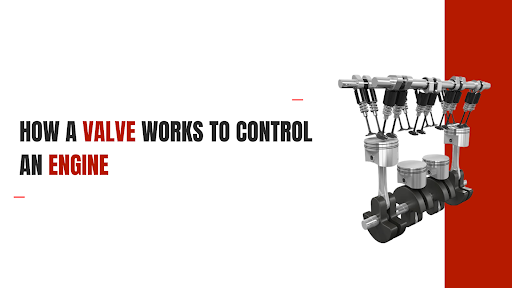
A valve is part of an internal combustion engine that controls how much air and fuel flow into the combustion chamber. Most engines have two kinds of valves: ones that let air in and ones that let air out. The intake valve lets the mixture of air and fuel into the engine, while the exhaust valve allows the gases to burn out.

Valve Lift and Duration:-

A camshaft controls the engine valve by opening and closing it at certain times. The valve lift is the distance that the valve is moved away from its seat. The duration is the amount of time that the valve is open. These two things determine how much air and fuel mix go into the engine and how fast it goes in. The Engine’s Camshaft is made to give the best valve lift and duration for how the engine is supposed to  Engine’s Camshaftwork.

Valve Timing:-

The timing of when the engine valves open and close is critical to how well the engine works. If the timing is off, the engine won’t run as well, it will use more gas, and it could even break. The position of the camshaft and the timing belt decide when the valves open and close. The engine’s RPM is used to change where the camshaft is, and the timing belt keeps the camshaft and crankshaft in sync.

Benefits of Engine Valves

Engine valves are a crucial part of controlling how well the engine works, and when they work well, there are several benefits. Among these benefits are:

Increased Fuel Efficiency:-

 The Engine Valves can improve fuel efficiency by controlling how much air and fuel go into the engine. This leads to better gas mileage. If an engine valve works well, it can also keep the engine from using too much gas, saving you money.

Reduced Emissions:-

The engine valves are a vital part of controlling the engine’s emissions, which can significantly affect the environment. When engine valves work right, they let the good air and fuel into the engine. This reduces emissions and makes the engine cleaner and better for the environment.

Maintenance and Repair:-

It’s essential to have regular maintenance and check-ups done on the engine valves to keep them working well. This can include checking the valve clearance, the distance between the valve stem and the rocker’s arm, and replacing the valve stem seals, which keep oil from getting into the combustion chamber. Sometimes, the engine valves need to be replaced because they have worn out or have been damaged because they haven’t been taken care of.

In the end, engine valves are essential to how well an engine works. From controlling the flow of air and fuel into the engine to setting the timing of the valve, these parts play a significant role in ensuring the engine works well, uses less fuel, and puts out less pollution. It is essential to have regular maintenance and check-ups done on the engine valves to keep them working well. If you think that the valves in your engine may need to be fixed or replaced.
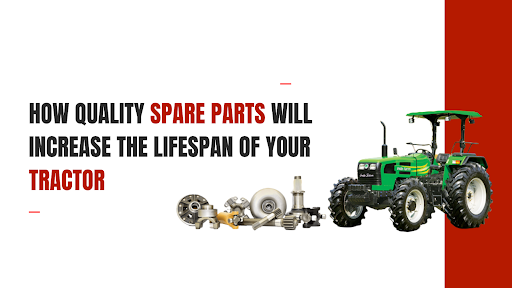
Tractors are an essential part of the construction and farming industries. They are used for many things, like plowing, tilling, planting, and pulling heavy loads. Tractors last longer and work better if they are kept in good shape and fixed when they break. This, in turn, depends significantly on the quality of the spare parts. Tractor Spare Parts are essential for keeping your tractor in good shape and lasting longer. 

This Blog Will Discuss Why Quality Tractor Spare Parts Are Crucial And How They Can Help Your Tractor Last Longer

Reliability and durability:-

Quality tractor spare parts are made to meet the same standards and specifications as the original parts. They are made of solid and reliable materials of high quality. This makes it less likely that they will break down or wear out, which means less downtime and fewer repairs. By using good spare parts, you can make sure your tractor works well for a long time. This means you can focus on your work instead of ensuring your tractor is in good shape. This will help you be more productive and efficient.

Improving Performance:-

Good tractor spare parts can also help your machine do its job better. For example, a sound transmission part can make the car run more smoothly and efficiently and put less stress on the engine. In the same way, a good amount of the fuel system can improve fuel efficiency, which can lower operating costs and reduce pollution. Quality hydraulic parts can make the machine run more smoothly and reliably, which lowers the risk of breakdowns and equipment damage.

Reduced Costs of Maintenance:-

Quality tractor spare parts may cost more upfront, but they can save you money in the long run by lowering the costs of repairs. High-quality parts are made to last longer, so you don’t have to fix or replace them as often. Also, they often come with warranties and guarantees that protect you from paying for expensive repairs or replacements. By buying good spare parts, you can avoid repairs and replacements that cost a lot of money and save money in the long run.

Increased Safety:-

Safety can also be improved by using High-Quality tractor Spare Parts. For example, good brakes and steering parts can make it easier to stop and give you better control, which lowers the chance of an accident. Also, good electrical parts can help prevent short circuits and other electrical problems that can cause fires. Safety is essential in agriculture and construction, and buying good spare parts can help keep your tractor, its operators, and your workers safe.   

In conclusion, using good spare parts for your tractor can make it last much longer and improve its performance, dependability, and safety. Even though they may cost more initially, they can save you money in the long run by lowering maintenance costs and improving your business. Investing in good spare parts can help your tractor last longer and work better, so you can get the most out of your money. So, buy good tractor spare parts if you want to get the most out of your tractor.

Like a hole in your tooth that makes you go to the dentist, cylinder-liner cavitation can make your diesel car need to go to the shop. Most petrol engine engines have cylinder liners made of cast iron that are pressed into the engine block and can be changed. This doesn’t impact turbodiesel pickups but affects heavy-duty over-the-road vehicles and diesel. The piston moves up and down inside the liner, surrounded by a coolant jacket to keep the engine cool.

When the engine runs, the pistons move up and down in their liners about 3,000 times per minute. At the same time, when the crankshaft turns, it pushes on the piston through the connecting rods.

How Cylinder-Liner Cavitation Occurs

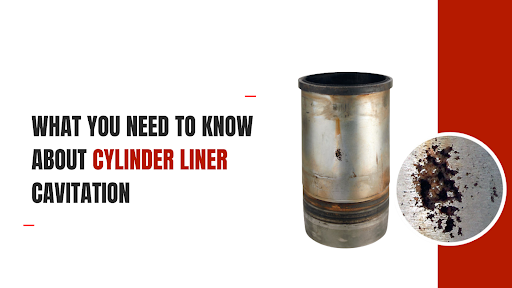
Cylinder-liner cavitation happens when high-pressure coolant is pushed toward the cylinder liner by imploding bubbles. This creates holes through which coolant can enter and mix with oil, which is bad for the engine.

The Role of Engine Coolant

This is the job of the engine coolant, and there are two ways that coolants are usually made to stop cavitation.

Solving the Problem the Old-Fashioned Way

For years, metal salts like nitrites and molybdates have been added to coolants. These salts stick to the liner and form a sacrificial layer that protects the liner. When the coolant bubbles pop, the pressure is taken up by the metallic salts, which break off the surface of the liner instead of the metal itself.

How to Fight Cylinder-Liner Cavitation in A Simple Way

In the worst cases, diesel cylinder-liner cavitation can let oil and coolant mix. Then it’s only a matter of time before the engine breaks down. Here are some things you can do to stop that from happening.

Most diesel engines have cylinder liners made of cast iron that are pressed into the engine block and can be changed. This doesn’t affect turbodiesel pickup trucks, but it does affect heavy-duty over-the-road diesel trucks. The piston moves up and down inside the liner, surrounded by a coolant jacket to keep the engine cool.

How Cylinder-Liner Cavitation Occurs

When the engine runs, the pistons move up and down in their liners about 3,000 times per minute. At the same time, when the crankshaft turns, it pushes on the piston through the connecting rods. Because of these opposite movements, the pistons hit the liners, which causes a lot of shaking, like when you ring a bell.

A high-pressure coolant stream is sent toward the liner when the bubbles pop. The coolant can erode the liner until holes form, like a fast-moving river cutting away at a canyon wall. These holes can get bigger and break through the liner if nothing is done, letting oil and coolant mix. Once that happens, the engine will break down soon after.

The Old-Fashioned Way

For years, metal salts like nitrites and molybdates have been added to coolants. These salts stick to the liner and form a sacrificial layer that protects the liner. When the coolant bubbles pop, the pressure is taken up by the metallic salts, which break off the surface of the cylinder liner instead of the metal itself. Metallic salts naturally break down over time, so drivers must add a supplemental coolant additive (SCA) to the coolant reservoir every so often. This is usually done halfway through the service interval.

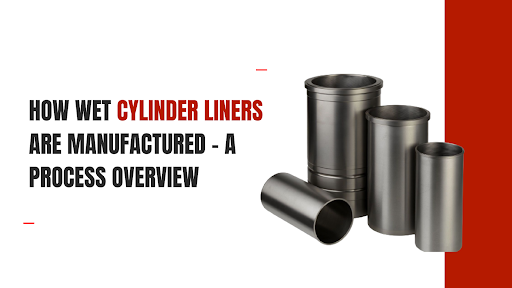
One of the most important parts of a diesel engine in a car is the cylinder liner. It is a thin, hollow cylinder that fits into the engine block and holds the piston as it moves back and forth. The piston moves along the piston liner so fuel can be burned and the car engine can run.

Because the walls of the cylinder and the piston ring and skirt rub against each other, cylinder liners often wear out. So that this does not happen as much, a thin oil film is put on the cylinder wall. When the cylinder liner wears out, gets bent out of shape, or gets damaged, it can be removed and replaced.

Everything You Need To Know About Wet Cylinder Liners

Cylinder liners, the liquid used to cool the metal works right with it. This means the cylinder will fit right into your engine when it comes out of the box. It is an application with a seal, and its honing process controls the oil consumption and oil retention to lubricate the cylinder walls. All these steps ensure that the rings are put on smoothly and that they don’t wear out too quickly or use too much lubricating oil.

Cylinder liner manufacturers also make repositioning and maintenance faster since the pieces come ready to be put together.

Wet Cylinder Liner Quality Process

The production line uses four steps to ensure you get a good wet cylinder liner ready to be installed.

Centrifugation Process

First, there is the process of centrifugation. Here, the piece is joined together and ready for the next steps. It is important to remember that each liner is made with a single bushing of molten metal. This differs from dry liners, where each bushing is cut into three or four pieces.

Checking For Chemical Compatibility

When the wet liner comes out of the centrifuge, a small piece is cut off for structural analysis. This is the laboratory process. In this step, the lab teams check to see if the chemical composition meets the requirements. This control also happens with the piece’s structure, hardness, and other qualities.

This removed piece is always marked with its specifications, the code of the wet liner, and the order in which it was made. This helps keep track of the production process and ensures the product’s final quality.

Machining

When the lab says that all of the metal’s parameters meet cylinder liner manufacturers quality standards, the third step, machining, can begin. Here, different types of machining are done to the wet cylinder liner. The internal and external profiles are made at this point.

Metrology

Lastly, in metrology, all the pieces’ sizes are carefully measured, taking into account the internal and external diameters and the height of the piece. The process is done with the help of different measuring tools, like the dosimeter, which checks all of the liner’s surfaces.

This is what makes sure that the piece softens and that your engine will last longer. After all, the new engine generation will ask for more cylinder liners, which will be exposed to more extreme conditions, wear, and high temperatures.

Cross Image

Start the
conversation.

Every beautiful relationship starts with a simple hello. So let’s chat. It might just be the start of something memorable.